
Table of Contents
Knee pain is one of the most complaints people have, and considering how much impact our knees withstand every day, it’s no surprise. There are cases where knee pain happens abruptly, such as after an injury, while in other cases, it is more slow to onset, starting off mild but then getting worse and worse over time. With how common knee pain is, it’s no wonder that people wonder about the common causes of knee pain so that they can do whatever they can to avoid it.
Additionally, learning about the common causes of knee pain helps you know what could be causing yours and what your treatment options are. Once you’ve uncovered the cause of your knee pain, it’s that much easier to treat and then prevent in the future. Here’s what you need to know about some of the most common causes of knee pain and how they can be both treated and prevented.
What Causes Knee Pain?
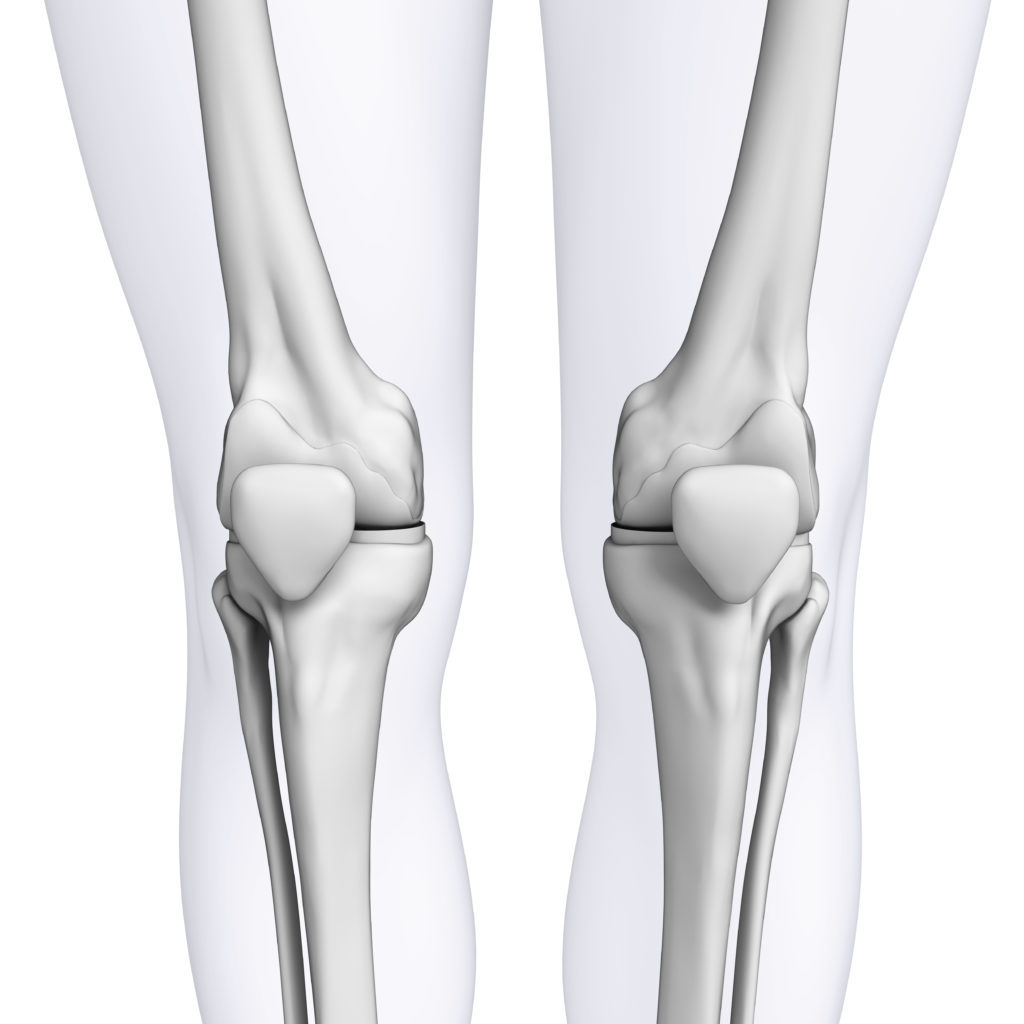
There are many different common causes of knee pain that vary based on the part of the structure of your knee that is affected. In order to understand what causes knee pain, it’s helpful to know a bit about the structure of the knee itself.
Your knee is composed of three bones: the lower thighbone, the upper shinbone, and your kneecap, also known as your patella. These are held together with ligaments and tendons while cartilage helps to both cushion and to stabilize your bones under the kneecap. If any of these parts of your knee have been damaged, diseased, or impacted in any way, it can lead to knee pain. The severity of your knee pain will depend on the severity of the cause.
Symptoms Of Knee Pain
Depending on which of the common causes of knee pain is the culprit of your own knee pain, the signs and symptoms associated with it will vary, due to the location of your pain and its severity.
Some of the common symptoms of knee pain include:

- Redness
- Warmth to the touch
- Swelling
- Stiffness
- Weakness
- Instability
- Popping/crunching noises
- Inability to straighten the knee
While some symptoms of knee pain are bearable and not cause for too much concern, there are instances where you should contact a doctor as soon as possible. You should call your doctor sooner than later is:
- You can’t bear weight on your knee.
- The pain is severe, even without weight on it.
- Your knee has become misshapen or deformed.
- Your knee locks, buckles, or clicks.
- You can’t fully flex or straighten your leg.
- Your knee is very swollen.
- There is pain, numbing, tingling, swelling, or discoloration under your knee in the calf.
- Pain persists after three or more days of trying to treat it at home.
Common Causes Of Knee Pain
The common causes of knee pain range in severity from a simple sprain to an injury. Here are some of the most common causes of knee pain that people experience.

- Arthritis
This includes gout, lupus, osteoarthritis, and rheumatoid arthritis.
- Infection in the knee joint
- Infection in the bones of the knee
- Baker cysts
These are swellings full of fluid behind your knee that can happen with inflammation from other common causes of knee pain, such as arthritis.
- Osgood-Schlatter disease
This most commonly occurs in teenagers, when your bones are still changing. Over-exercising can cause a bump below the knee that comes and goes over time.
- Bursitis
Your bursa is a sac of fluid under your joint that prevents friction during movement. Overuse can cause swelling and pain.
- Dislocation
This is when your kneecap slides out of its location.

- Fracture
- Strain or sprain
- Torn cartilage
- Torn ligament
- Patellofemoral syndrome
This is caused by muscle tightness, imbalance, and alignment problems, that doesn’t occur as a result of an injury.
- Iliotibial band syndrome
Your iliotibial band is a tissue that goes from your hip to your knee that can become inflamed with too much activity.
- Overuse
These are but some of the most common causes of knee pain. Treatment for your knee pain will depend on what brought it on.
How To Treat Knee Pain
There are a wide variety of treatment methods for the common causes of knee pain, ranging from rest and painkillers to physical therapy to surgery in more severe cases.
Home care for knee pain includes:
- Resting and avoiding putting weight on your knee.
- Ice.
- Elevating your knee whenever you can.
- Wearing an elastic bandage or sleeve to support your knee and reduce swelling.
- Take painkillers.
- Sleep with your knee elevated.
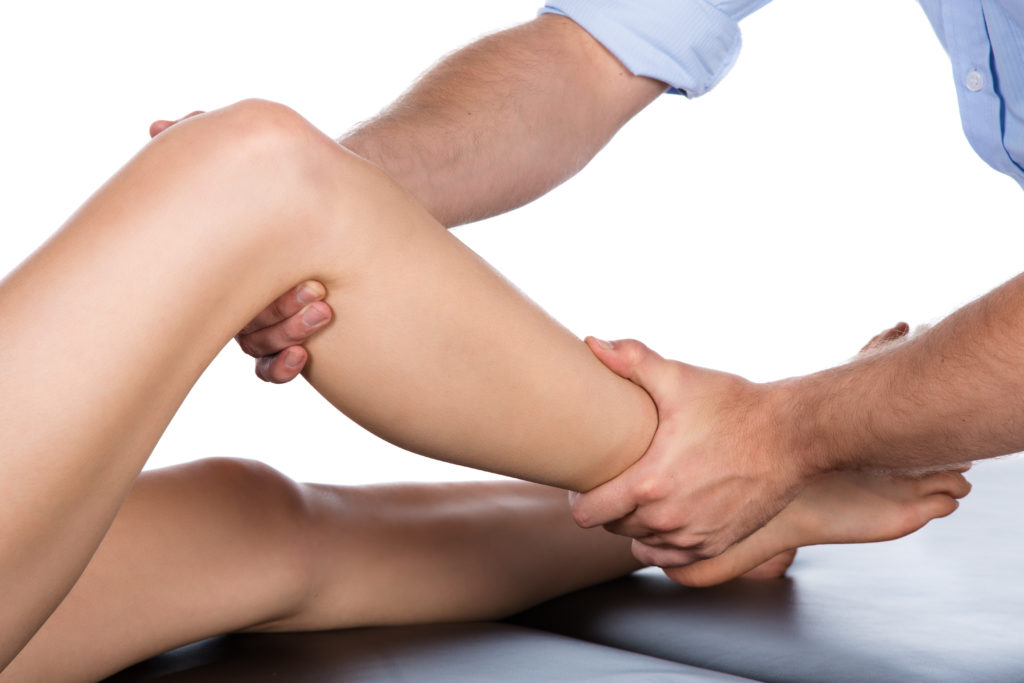
Professional care for knee pain includes:
- Physical exams to diagnose the cause of your knee pain.
- Stretching and strengthening exercises.
- Medications.
- Physical therapy.
- Surgery, and other more invasive procedures if the causes of knee pain are more serious.
How To Prevent Knee Pain
As you can see, a running theme amongst the common causes of knee pain is overuse. While it is important to be active, you want to ensure that you are stretching and strengthening your muscles in order to keep your body in its best possible state to prevent knee pain. Low-impact aerobic activities are also great, as is losing weight if you are overweight, as that excess weight places undue stress on your knees. If you work in a field where you need to kneel a lot, knee pads can provide protection.

If you have any questions about how to prevent common causes of knee pain from impacting you, Wasatch Peak Physical Therapy is more than happy to answer them and provide you with the tools you need to live a happy, healthy life. If you are currently suffering from knee pain, we offer physical therapy services to help alleviate it and get you back to normal. Contact us today for any questions or to schedule a consultation!