Table of Contents
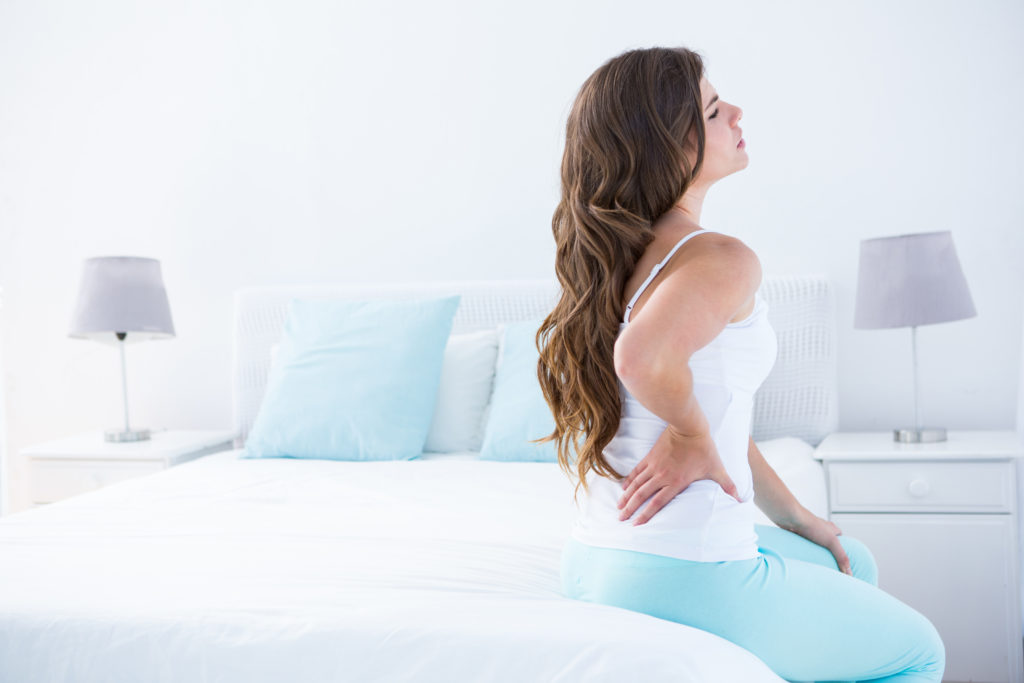
Sciatica is a common condition that affects millions of people worldwide. Characterized by sharp pain, tingling, or numbness that radiates from the lower back through the leg, it’s often caused by issues in the lumbar spine, particularly herniated discs. Understanding the relationship between your spine and sciatic nerve can help you manage or even prevent this debilitating condition.
What is the Sciatic Nerve?
The sciatic nerve is the longest and thickest nerve in the human body. It starts in the lower back and runs down the buttocks and the back of each leg until it reaches just below your knee. It consists of a bundle of nerves that branch off from your spinal cord.
Your sciatic nerve controls the muscles in the back of the knee and lower leg and provides sensation to the back of the thigh, the outer and back parts of the lower leg, and the sole of the foot and toes. It helps you run, walk, and even stand.
What Is Sciatica?
When this large nerve becomes irritated or compressed, it causes a condition known as sciatica. It causes symptoms, such as:
- Sharp or burning pain in the lower back or leg
- Numbness or tingling sensations in the leg or foot
- Weakness in the affected leg
- Pain that worsens with sitting, bending, or twisting
- In rare cases, urinary or fecal incontinence
Not everyone with lower back pain has sciatica, but sciatica is often linked to problems in the lumbar spine, particularly the discs between vertebrae.
The Role of the Lumbar Spine
The lumbar spine, consisting of the five vertebrae in your lower back (L1 to L5), provides structural support and flexibility. Between each vertebra is an intervertebral disc, which acts as a cushion to absorb shock and allow movement. Each disc has a soft inner gel-like center (nucleus pulposes) and a tougher outer layer (annulus firbosus).
When the discs are healthy, they allow smooth movement and protect spinal nerves. However, degeneration, injury, or poor posture can lead to disc problems that compress the sciatic nerve.
Herniated Discs and Sciatica
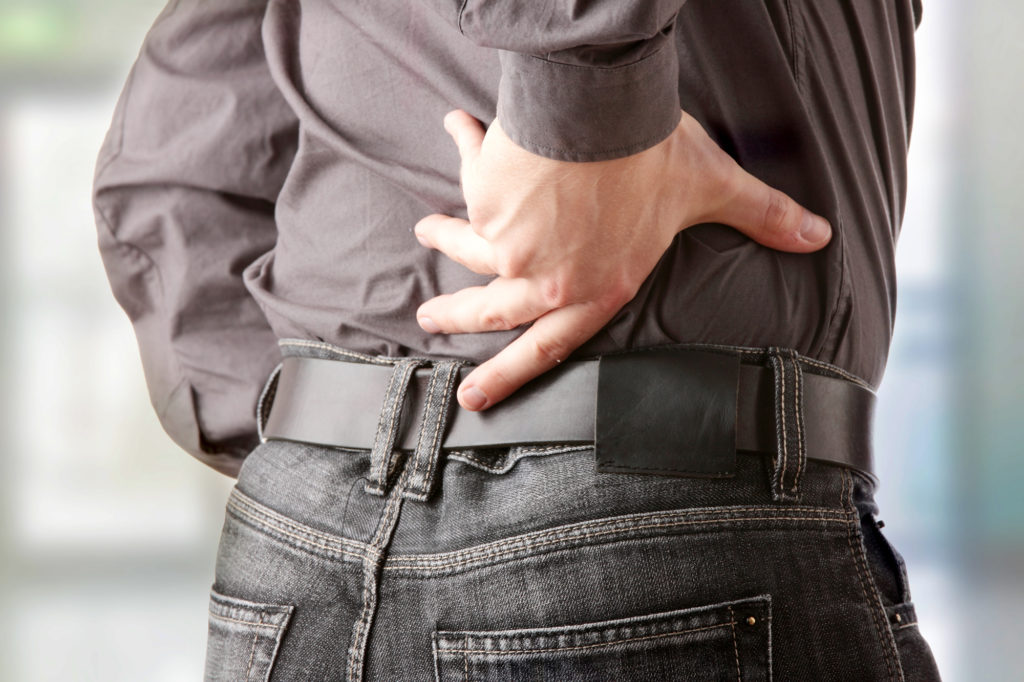
A herniated disc occurs when the inner gel pushes through the outer layer of the disc. This protrusion can press on nearby nerves, including the sciatic nerve, leading to pain and neurological symptoms. Herniated discs are one of the most common causes of sciatica and often result from:
- Age-related wear and tear (disc degeneration)
- Sudden heavy lifting or twisting movements
- Trauma or injury to the spine
- Poor posture or prolonged sitting.
Symptoms from a herniated disc can vary based on the location and severity of the herniation, but the hallmark is leg pain that often feels worse than lower back pain.
Diagnosing and Treating Sciatica
If you experience symptoms of sciatica, a healthcare provider will typically start with a physical exam, assess your range of motion, and may order imaging studies like an MRI or CT scan to confirm a herniated disc or other lumbar spine issues.
Treatment can range from conservative to surgical:
Conservative Treatments
Physical Therapy — Strengthening the core and improving flexibility can relieve pressure on the sciatic nerve.
Medications — Anti-inflammatories or pain relievers can help you manage discomfort.
Lifestyle Changes — Maintaining proper posture, making ergonomic adjustments, and doing regular low-impact exercises can help relieve pressure and strengthen your back.
Epidural Steroid Injections — These can reduce inflammation around the affected nerve.
Surgical Options
Microdiscetomy — This procedure removes the portion of the disc pressing on the nerve.
Laminectomy — The surgeon will remove part of the vertebra to create more space for the nerve.
Most people respond well to non-surgical treatments, but surgery may be necessary in severe or persistent cases.
Preventing Sciatica
While you can’t always prevent sciatica, focusing on supporting the lumbar spine can reduce your risk:
- Practice good posture when sitting and standing
- Strengthen core muscles to support the spine
- Use proper lifting techniques
- Maintain a healthy weight to reduce pressure on the lower back
- Stay active with regular exercise like walking, swimming, or yoga
- Pay attention to your sleeping position to keep your spine in good alignment.
- Don’t smoke, as this can increase the risk of disc degeneration
Take Care of Your Back to Protect Your Sciatic Nerve
Sciatica is more than just back pain; it’s a sign that your lumbar spine or intervertebral discs may need attention. Understanding the connection between herniated discs and nerve compression and help you seek appropriate and effective treatment and even prevent issues. With proper care, physical therapy, and lifestyle adjustments, most people can manage their symptoms and enjoy a pain-free life.