Table of Contents
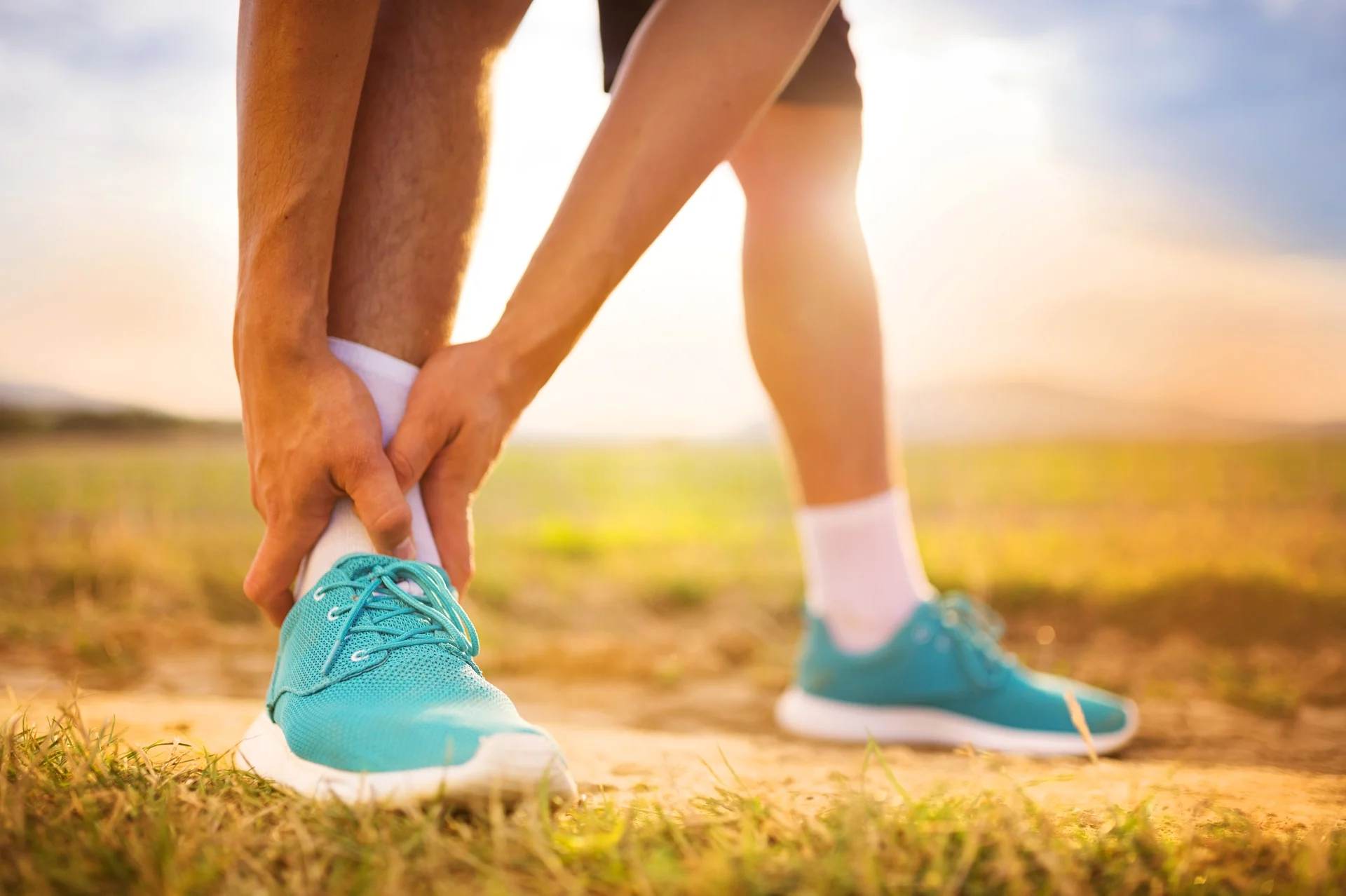
Whether you enjoy exercising outdoors, work a physically demanding job, or simply want to stay active during the summer, heat and hydration play an important role in how your muscles perform. When your body becomes overheated or dehydrated, your muscles can fatigue faster, cramp more easily, and become more vulnerable to strains and injuries.
Below, we’ll discuss how temperature and hydration impact your body, so you can maintain strength, endurance, and overall physical performance while reducing the risk of discomfort and injury.
The Connection Between Heat and Muscle Function
Your muscles need proper blood flow, oxygen, and hydration to function efficiently. When you’re active, your body naturally generates heat. In warm environments, your body works harder to cool itself through sweating and increased circulation.
As temperatures increase, you may experience faster fatigue, reduced endurance, slower recovery, increased muscle soreness, and a higher risk of cramps or strains.
When your body struggles to regulate temperature, muscles may not receive the oxygen and nutrients they need to perform at their best.
How Dehydration Impacts Muscles
Water is essential for nearly every process in the body, including muscle contraction and joint lubrication. Even mild dehydration can negatively affect physical performance.
Muscle Cramps — When you lose fluids and electrolytes through sweat, the nerve signals telling your muscles to contract and relax become erratic. This increases the likelihood of painful muscle cramps, especially during prolonged activity or exercise in the heat.
Reduced Strength and Endurance — Dehydrated muscles fatigue more quickly because your body has a harder time delivering nutrients and oxygen to working tissues. This causes your muscles to become rigid and tight and lose their elasticity.
Slower Recovery — Without adequate hydration, your body can’t efficiently repair muscle tissue after physical activity, leading to prolonged soreness and stiffness.
Poor Coordination — Dehydration can impair focus, balance, and coordination, increasing the risk of injury during workouts, sports, or other daily activities.
Signs Your Body May Be Overheating
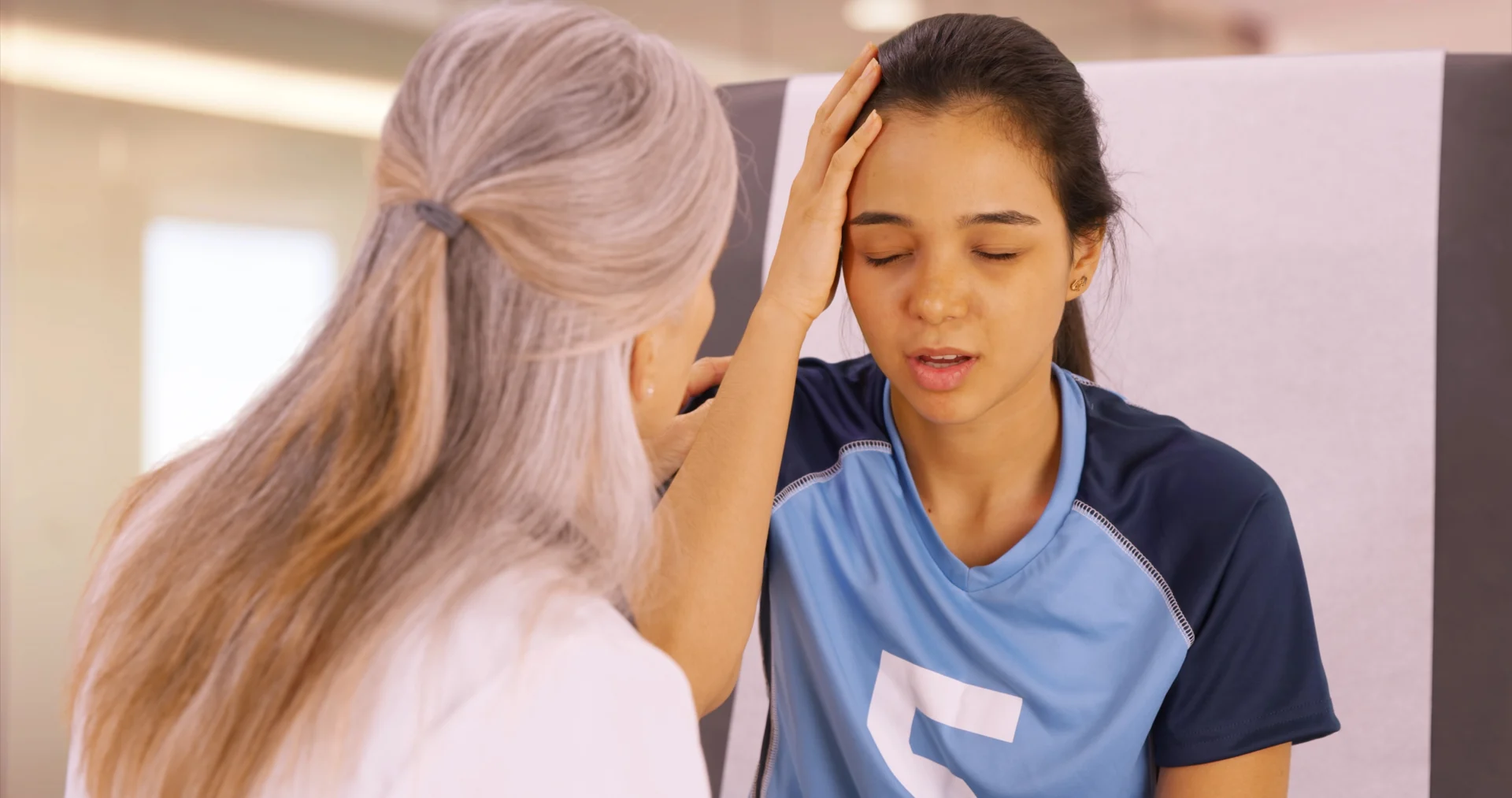
When you recognize the warning signs of heat-related stress, you can prevent more serious problems from developing. Watch for symptoms, such as:
- Excessive sweating
- Muscle cramps
- Dizziness
- Fatigue
- Headaches
- Rapid heartbeat
- Nausea
- Weakness or confusion
If symptoms become severe or include fainting, you may be developing heat exhaustion or heat stroke and need immediate medical attention.
The Role of Electrolytes
Electrolytes, like sodium, magnesium, calcium, and potassium, help regulate muscle contractions and nerve signaling. Sweating causes the body to lose these essential minerals.
When electrolyte levels become unbalanced, you may experience muscle cramps, weakness, twitching, fatigue, and reduced athletic performance.
For extended physical activity or heavy sweating, consider taking an electrolyte replacement, such as a sports drink, to help maintain muscle function and hydration levels.
Tips for Staying Hydrated and Protecting Muscle Performance
Drink Water Consistently — Don’t wait to drink water until you feel thirsty. Thirst is often a sign that dehydration has already started.
Increase Fluid Intake in Hot Weather — You typically need to drink more water during the summer months, especially when engaging in outdoor work or intense exercise sessions.
Hydrate Before and After Exercise — Begin activities well-hydrated and replenish fluids afterward to support recovery. It is recommended to drink 16 to 20 ounces of water before activity and 8 to 10 ounces after.
Replace Electrolytes When Needed — If you’re going to participate in prolonged activity where you will sweat more than usual, you may want to grab a sports drink or electrolyte supplement.
Wear Lightweight Clothing — Wear light colored, breathable clothing. as it helps your body regulate temperature more effectively.
Take Breaks in the Shade — Give your body time to cool down to reduce stress on muscles and improve endurance.
Heat, Hydration, and Injury Risk
When muscles become fatigued from heat or dehydration, they become more susceptible to injury. Tight, dehydrated muscles may lose flexibility and respond poorly to sudden movements or physical stress.
Common heat-related muscle issues include muscle strains, tightness, cramping, joint discomfort, and overuse injuries.
Athletes, outdoor workers, and active individuals should pay close attention to their hydration habits during warmer months to help reduce injury risks.
Supporting Muscle Recovery

Recovery is just as important as performance. After physical activity, proper hydration helps restore fluid balance, deliver nutrients to muscle tissue, reduce inflammation, support circulation, and improve recovery time.
Pairing hydration with stretching, proper nutrition, and adequate rest can help muscles recover more efficiently.
Stay Safe and Hydrated During Summer Activity
Heat and hydration have a direct impact on muscle performance, endurance, and recovery. When your body loses too much fluid or struggles to regulate temperature, muscles become more vulnerable to fatigue, cramps, and injury.
This summer, stay hydrated, monitor heat exposure, and support your body with proper recovery habits to keep your muscles performing more effectively all season long.