Table of Contents
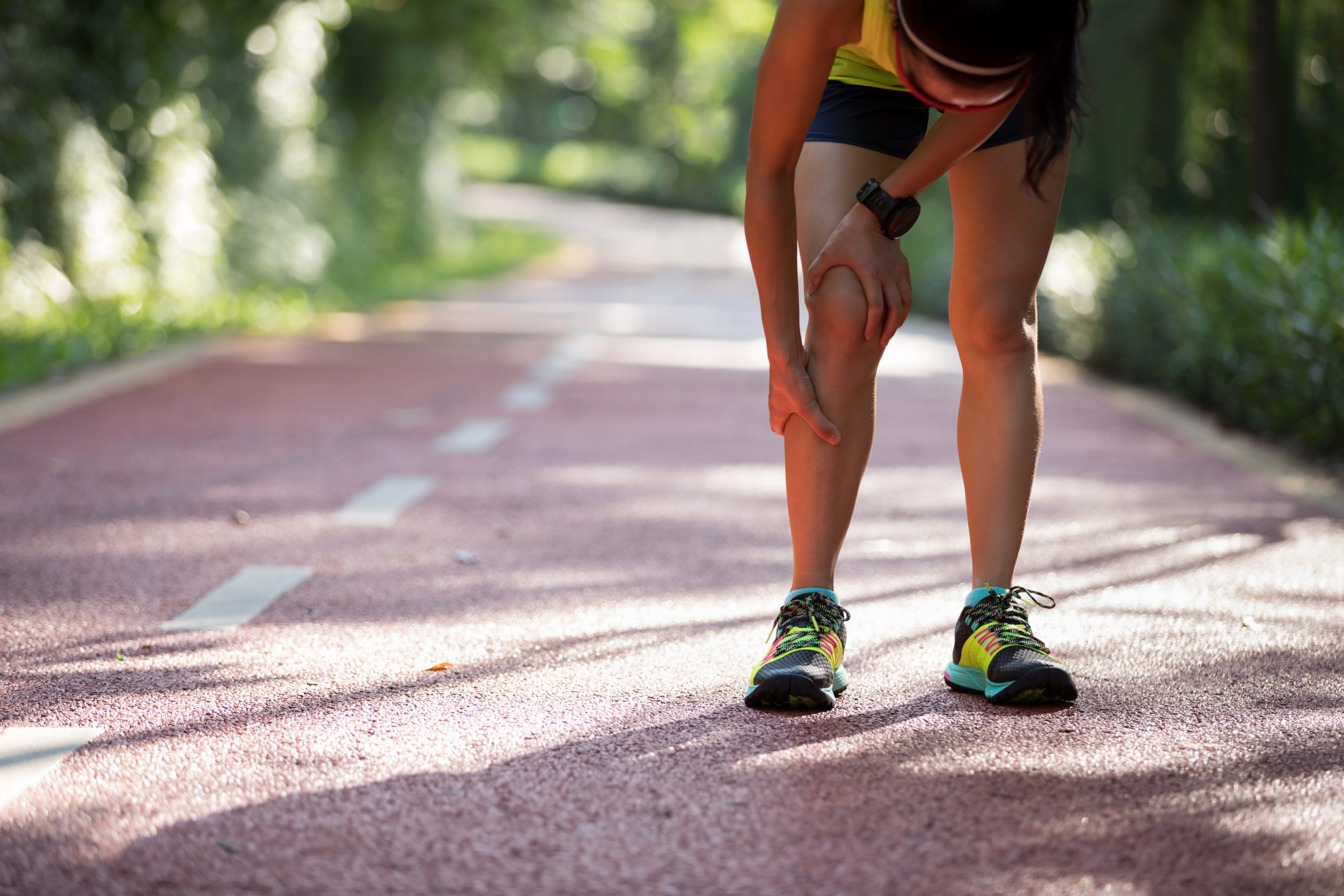
Patellofemoral pain (often known as anterior knee pain or runner’s knee) is one of the most common knee conditions affecting young female athletes, especially those involved in sports such as soccer, dance, volleyball, or track. It typically begins with mild discomfort but can quickly progress into a persistent issue that interferes with performance and daily activities if not properly addressed.
Fortunately, physical therapy can help relieve symptoms, correct underlying issues, and help athletes play sports without worrying about pain.
What Is Patellofemoral Pain?
Patellofemoral pain originates from the joint where the kneecap (patella) meets the thigh bone (femur). This joint protects your knees and supports important muscles, tendons, and ligaments. It also allows you to do certain movements, such as running, jumping, squatting, and climbing stairs.
When the patella doesn’t track properly along the femur, it can lead to irritation and pain in the front of the knee. This condition is not typically caused by a single injury but rather develops over time due to repetitive stress, muscle imbalances, or biomechanical issues.
Why Are Young Female Athletes More at Risk?
There are several reasons why adolescent and young adult female athletes are more prone to developing patellofemoral pain:
Biomechanical Differences — Females generally have a wider pelvis, which can increase the angle at which the femur meets the knee (known as the Q-angle), placing more stress on the patellofemoral joint.
Muscle Imbalances — Female athletes often have more weakness in the hips, glutes, and quadriceps, which can lead to poor knee alignment during activity.
Movement Patterns — Improper landing mechanics, such as knees collapsing inward during jumps or squats, are more common among female athletes. This can increase stress on the knee.
Training Load — Females are more affected by high levels of repetitive activity, and without adequate rest or cross-training, it can lead to a higher risk of overuse injuries.
Hormonal Factors — Lower testosterone levels can result in reduced muscle mass around the knee. Additionally, fluctuations in estrogen can cause joint laxity, greater instability, and reduced joint control.

Common Symptoms
Athletes with patellofemoral pain may experience:
- A dull-aching pain in the front of the knee
- Pain that worsens with activity, especially running, jumping, or squatting
- Discomfort when going up or down the stairs
- Pain after sitting for long periods (often called “movie theater sign”)
- A rubbing, burning, or grinding sensation when bending or straightening the knee
- Occasional swelling or tenderness to the touch
- The feeling that the knee is weak or “giving way”
How Physical Therapy Can Help
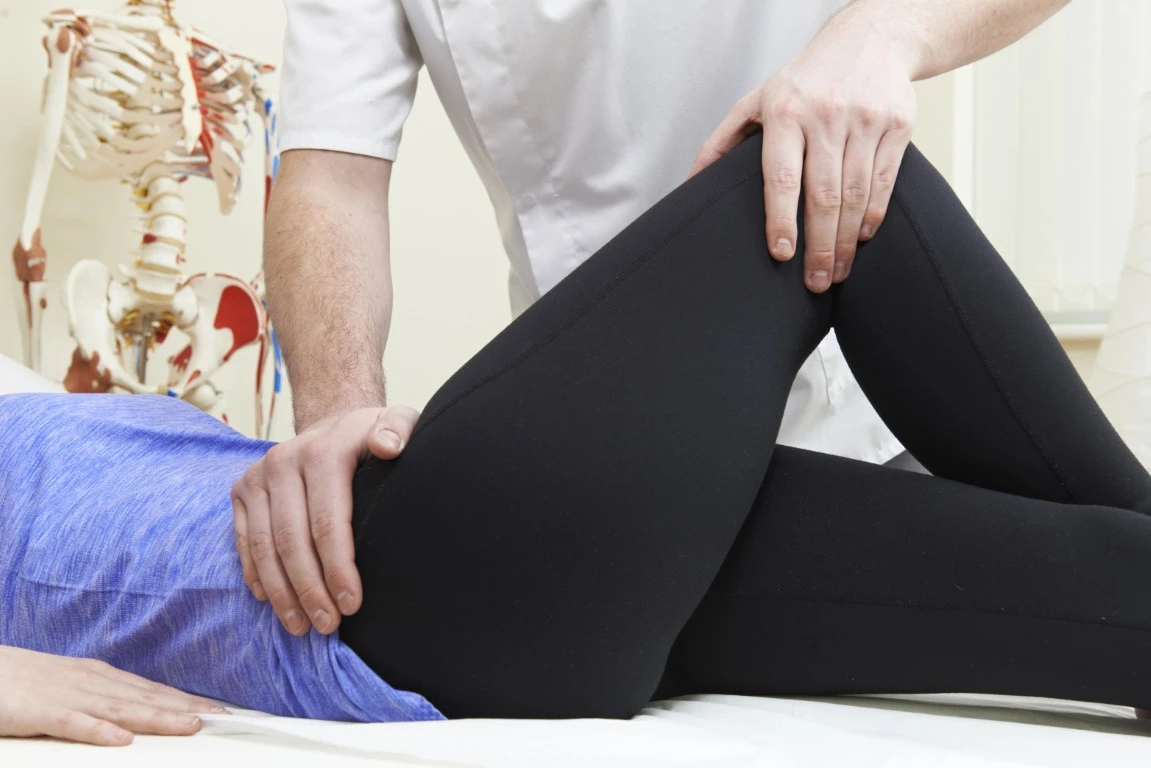
Physical therapy is one of the most effective ways to treat patellofemoral pain and keep it from returning. A personalized program can help you find the root cause of the problem, rather than just managing symptoms.
Key components of physical therapy:
Pain Management — Guided exercises, inflammation reduction techniques (such as ice, heat, or a TENS unit), and soft tissue therapy can reduce tension and provide much-needed pain relief.
Strengthening Exercises — Targeting the quadriceps, glutes, and hip muscles can improve knee stability and alignment during movement.
Movement Retraining — Learning proper techniques for running, jumping, and landing can reduce stress on the knee joint.
Flexibility and Mobility Work — Tight muscles, especially in the hamstrings, calves, and hip flexors, can contribute to poor mechanics and increased knee strain.
Activity Modification — Temporary adjustments to training routines can help the knee recover while still maintaining overall fitness. You may also be recommended orthotics to improve biomechanics.
Taping or Bracing (If Needed) — These can provide short-term support and improve patellar tracking during physical activity.
Continual Support — Long-term professional support and at-home exercises can help you prevent reinjury and keep your knees functioning properly.
Prevention Tips for Athletes and Parents
Preventing patellofemoral pain is just as important as treating it. Incorporate strength training for the hips and core, focus on having proper form during sports and workouts, avoid sudden increases in training intensity or volume, and prioritize rest and recovery. Athletes should also ensure they wear appropriate footwear when playing their sport.
When to Seek Help
If knee pain persists for more than a few weeks, worsens with activity, or begins to affect performance, you may want to schedule a professional evaluation. Early intervention can prevent a minor issue from turning into a long-term problem.
Don’t Suffer with Anterior Knee Pain
Patellofemoral pain may be common, but it’s highly treatable. With the right combination of strengthening exercises, proper movement, and guided rehabilitation, young female athletes can return to their sport stronger, more balanced, and pain-free.