Table of Contents
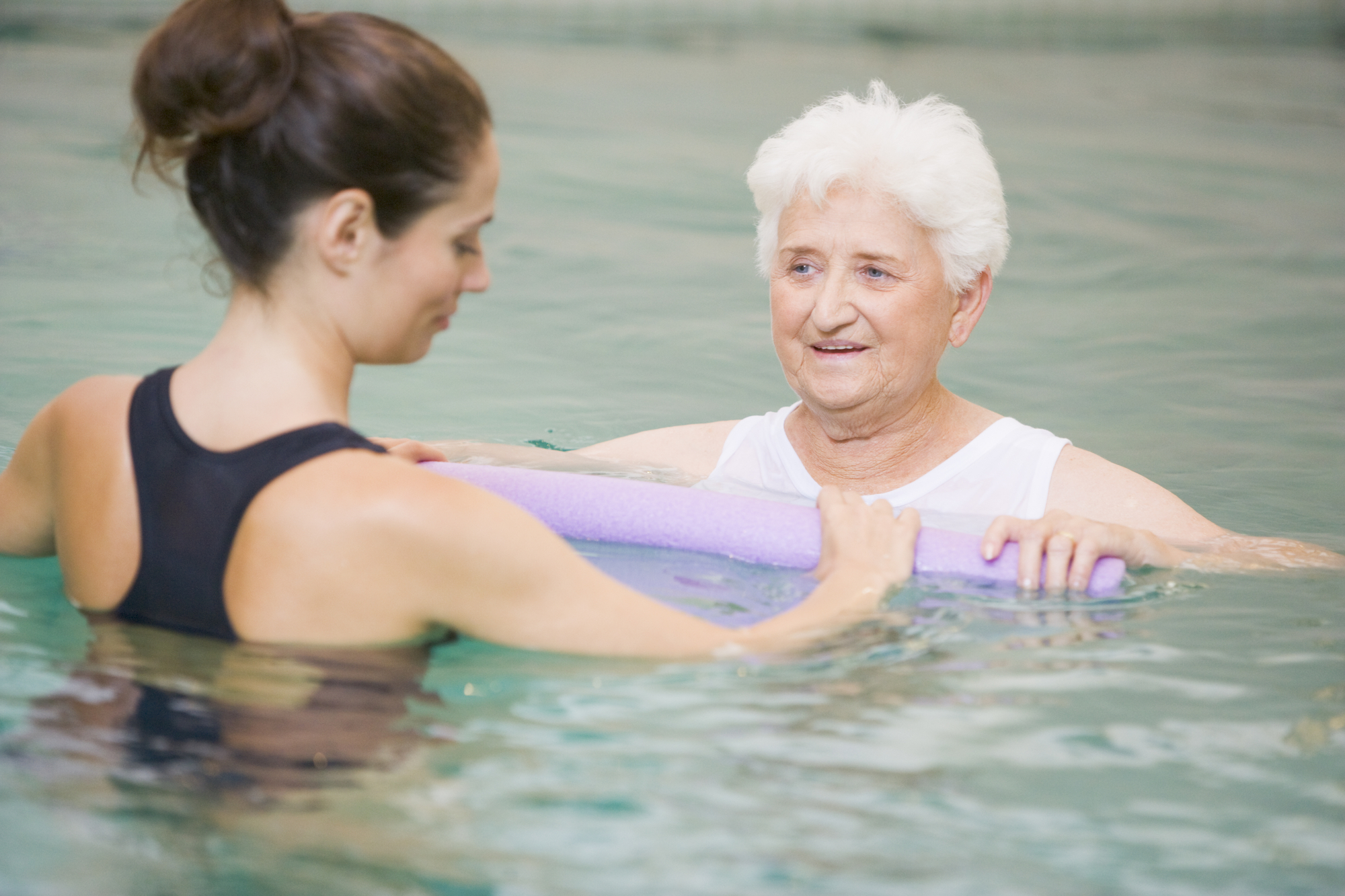
When pain, stiffness, weakness, or limited mobility make traditional exercise difficult, you may benefit from water therapy. Water therapy, or aquatic therapy, uses the unique properties of water to help individuals move more comfortably, as well as build strength, improve flexibility, and work toward their rehabilitation goals.
Water therapy is often added to physical therapy programs for those recovering from injuries, managing chronic conditions, or working to improve their mobility. Because exercises are performed in a controlled environment, many patients can participate in movements that could be challenging or uncomfortable on land.
Reduced Stress on Joints
One of the biggest benefits of water therapy is the buoyancy of the water. When your body is supported by water, less weight is placed on your joints. This can make movement easier and reduce the impact associated with exercises performed on a hard surface.
Reduced joint loading can be especially helpful for individuals with arthritis, joint pain, or injuries that make weight-bearing activities uncomfortable. They can practice movement patterns without putting pressure on painful or healing knees, hips, ankles, or other areas.
Less Pain During Exercise
Warm water can help relax muscles, increase blood flow, and dilate blood vessels, making it easier to move stiff or painful joints. Combined with the support provided by buoyancy, this can create a more comfortable environment for exercise.
Patients who have difficulty exercising on land may find out they have a greater range of motion in the water. This can help them gradually increase activity levels without placing unnecessary strain on the body.
Improved Strength
Water provides natural resistance in every direction. As you move your arms and legs through the water, your muscles must work against that resistance. This helps individuals strengthen muscles without using heavy weights or high-impact exercises.
A physical therapist can adjust the difficulty of aquatic exercises by changing movement speed, using specialized equipment, or modifying the depth of the water. This makes aquatic therapy adaptable to different fitness and rehabilitation levels.
Increased Range of Motion and Flexibility
Pain and stiffness can make it difficult to move joints through their full range of motion. The warmth and buoyancy of water can help relax joints and muscles, making it easier to move freely and perform gentle stretching and mobility exercises.
Improving flexibility and range of motion is often very important after an injury or surgery. Regularly performing controlled movements can help patients restore normal function.

Better Balance and Coordination
Water therapy can also help patients work on balance and coordination. The water provides support while still challenging the body to maintain control during movement.
For older adults or other individuals who feel unsteady on land, the aquatic environment may offer a safer setting for practicing balance exercises. A physical therapist can gradually introduce more challenging activities as a patient’s strength, stability, and confidence improve.
Cardiovascular Benefits
Aquatic exercise provides an effective cardiovascular workout while reducing the impact on the joints. Depending on the individual’s abilities and treatment plan, water therapy may include walking through the water, leg exercises, or other activities designed to increase endurance.
Improving cardiovascular endurance can help reduce the risk of heart disease, maintain healthy blood pressure, make it easier to participate in everyday activities, and improve overall physical function.
A Helpful Option for Post-Surgical Rehabilitation
Water therapy could play an important role in rehabilitation following certain surgeries, although this depends on the individual’s condition and medical clearance. The reduced weight-bearing environment can help patients practice certain movements with less stress on the body.
When to start water therapy after surgery will depend on the procedure and the individual’s healing progress. A healthcare professional and physical therapist can determine whether water-based rehabilitation is appropriate and develop an exercise program based on the individual’s specific needs.
Who Can Benefit From Aquatic Therapy?
Water therapy can benefit a variety of individuals, including those experiencing:
- Arthritis and joint pain
- Back and neck pain
- Fibromyalgia
- Sports injuries
- Muscle weakness
- Balance and mobility problems
- Recovery after certain surgeries, such as hip or knee replacement
- Chronic pain conditions
- Reduced flexibility or range of motion
- Difficulty tolerating traditional weight-bearing exercises

The right treatment approach depends on each person’s condition, goals, and overall health. Water therapy doesn’t work for everyone, so you should speak with a qualified healthcare professional or physical therapist before starting treatment.
Start Moving Toward Recovery
Water therapy is a unique treatment that helps reduce joint stress, support movement, and provide resistance for strengthening muscles. For many individuals, it can be a valuable part of a comprehensive physical therapy program.
If pain or limited mobility is making traditional exercise difficult, talk with a physical therapist about whether water therapy is appropriate for your needs.