
Table of Contents
- Understanding the Risks of Exercising in Hot Weather
- Stay Hydrated Before, During, and After Activity
- Choose the Right Time of Day
- Dress for the Weather
- Adjust Your Activity Level
- Protect Your Spine and Joints
- Know the Signs of Heat Exhaustion and Heat Stroke
- Don’t Forget Recovery
- Enjoy an Active and Healthy Summer

When summer arrives, many people enjoy outdoor activities, such as walking, hiking, biking, gardening, swimming, and playing sports. Regular physical activity offers countless benefits, including improved cardiovascular health, stronger muscles and joints, better mood, and increased energy levels.
However, exercising in hot weather can present unique challenges that increase the risk of dehydration, heat exhaustion, heat stroke, and injury. To protect your health and well-being, you should take a few precautions while being active outdoors.
Understanding the Risks of Exercising in Hot Weather
As temperatures rise, your body has to work harder to regulate its internal temperature. Sweating helps cool the body, but excessive heat and humidity can make this process less effective. As a result, you may become dehydrated more quickly and experience excessive sweating, dizziness, lightheadedness, fatigue, muscle cramps, headaches, nausea, and rapid heartbeat.
These symptoms could be a sign of a more serious heat-related illness that could require immediate medical attention.
Stay Hydrated Before, During, and After Activity
Hydration plays a very critical role in exercising safely during the summer. Many people tend to wait until they feel thirsty to drink water, but thirst is often a sign that you’re already dehydrated.
To stay properly hydrated, drink water throughout the day, increasing fluid intake before outdoor activity. During exercise, carry a water bottle and take regular hydration breaks. After activity, replace fluids lost through sweat.
For longer or more intense workouts, consider consuming an electrolyte replacement beverage. These drinks help replenish minerals lost through sweating.
Choose the Right Time of Day
The hottest part of the day typically occurs between 10 a.m. and 4 p.m. Whenever possible, schedule outdoor activities during cooler morning or evening hours.
Early morning walks, bike rides, or exercise sessions allow you to avoid peak temperatures while still maintaining your fitness routine. If you can only be active in the afternoon, seek shaded areas and take frequent breaks to rest and rehydrate.
Dress for the Weather
Your clothing choices can have a significant effect on how your body handles heat. Consider wearing lightweight, breathable fabrics, moisture-wicking athletic clothing, or light-colored garments that reflect sunlight. Consider also wearing a hat or visor for sun protection.
You should also apply sunscreen (with an SPF of 30 or higher) to any exposed skin, as sunburns can impair the body’s ability to cool itself effectively.
Adjust Your Activity Level
You shouldn’t push your body beyond its limits when exercising in hot weather. High temperatures can increase physical stress and fatigue, even during activities that normally feel easy.
Always listen to your body and reduce workout intensity when temperatures are high, take more frequent rest breaks, and gradually increase activity levels when beginning a new exercise program.
If you experience dizziness, chest pain, severe fatigue, or any other concerning symptoms, you should stop exercising immediately.

Remember that maintaining consistency often benefits you more than overexerting yourself during a single workout.
Protect Your Spine and Joints
Many popular summer activities place additional demands on the muscles, joints, and spine. Hiking uneven trails, playing sports, lifting gardening supplies, and even participating in weekend projects can increase the risk of strains and overuse injuries.
To reduce your risk, you should warm up before activity and cool down afterward. You should also wear supportive footwear, use proper lifting techniques, and avoid sudden increases in exercise intensity.
If you have a history of back pain, neck pain, or joint problems, consider modifying activities to avoid aggravating existing conditions.
Know the Signs of Heat Exhaustion and Heat Stroke
Heat-related illness can develop quickly. Pay attention to the following signs:
Signs of Heat Exhaustion
- Heavy sweating
- Weakness
- Dizziness
- Nausea
- Cool, clammy skin
- Muscle cramps
- Fatigue
- Headache
Signs of Heat Stroke
- High body temperature
- Confusion or delirium
- Loss of consciousness
- Hot, dry skin
- Racing heartbeat
- Severe headache or lightheadedness
- Severe nausea or vomiting
- Seizure
Heatstroke is a severe, life-threatening medical emergency. Call 911 immediately if someone shows any of these symptoms.
Don’t Forget Recovery
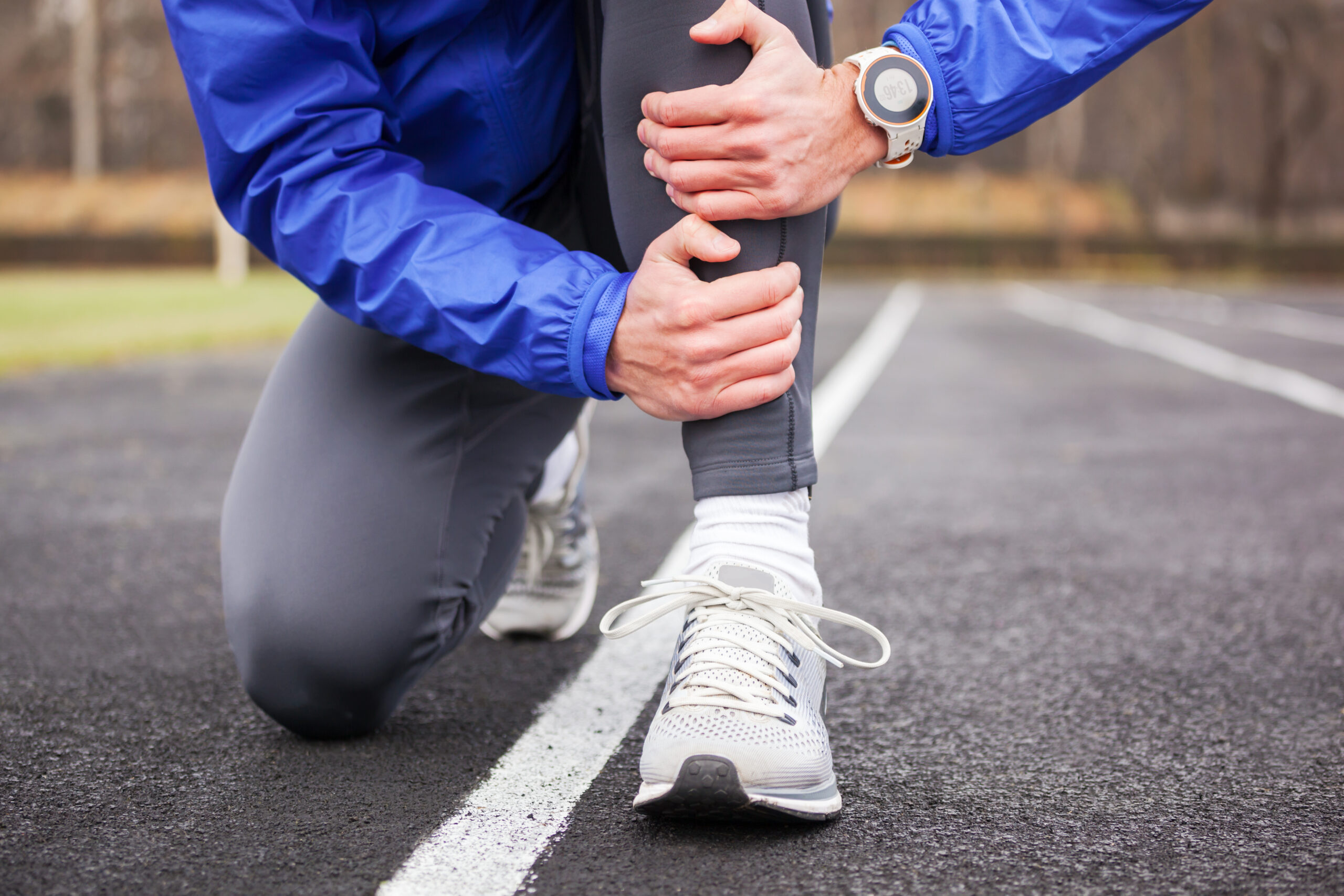
Recovery is just as important as exercise. Hot weather places additional stress on muscles and the nervous system, making adequate rest essential.
After exercising in hot weather, rehydrate thoroughly, eat nutritious foods, stretch tight muscles, get sufficient sleep, and address aches and pains before they turn into chronic issues.
If you still have lingering discomfort, stiffness, or mobility limitations, you may need professional care to restore function and prevent further injury.
Enjoy an Active and Healthy Summer
Summer offers countless opportunities to stay active and enjoy the outdoors. Whether you enjoy walking through your neighborhood, hiking local trails, playing sports, or spending time in your garden, staying hydrated, listening to your body, and dressing appropriately can help you safely maintain your fitness routine even during the hottest time of the year.