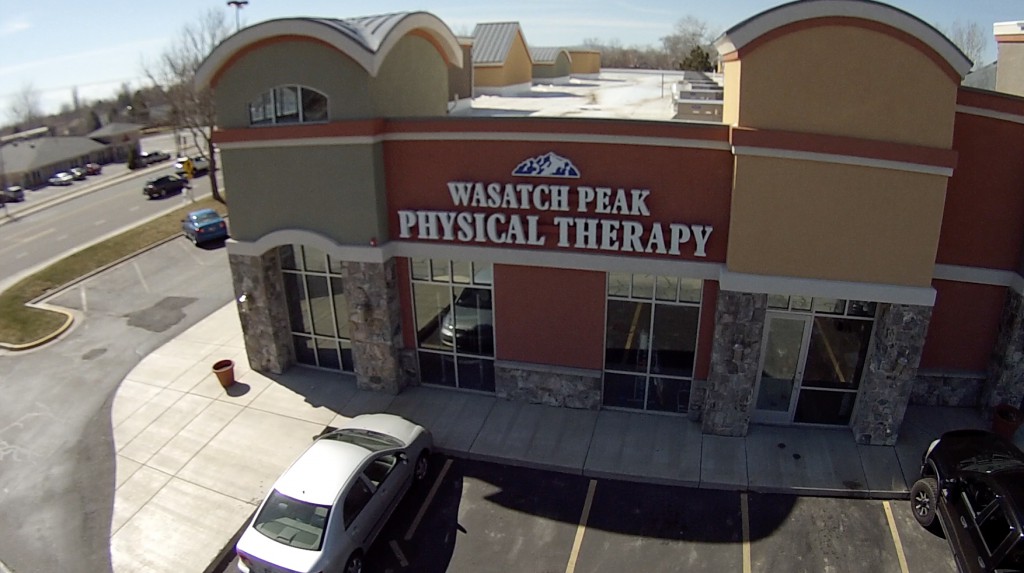
Layton Utah Wasatch Peak Physical Therapy

Wasatch Peak Physical Therapy

LAYTON

801.876.1676

SYRACUSE

801.528.3028

FARMINGTON

801.290.8443

ROY

801.829.9249
  • Physical Therapy
        • Aquatic Therapy
        • Auto Accidents
        • Cardiac & Pulmonary Rehabilitation
        • Davis Hospital Inpatient Therapy
        • Dry Needling
        • Hand Therapy
        • Home Health Care
        • Lymphedema
        • Men’s Health
        • Neurological Disorders
        • Orthopedic
        • Pain Management
        • Pelvic Floor Physical Therapy
        • Pre and Post-Operative Care
        • Sports Medicine
        • Women’s Health
        • Workers Compensation
  • Occupational Therapy
    • Lymphedema
  • Speech Therapy
  • Injuries We Treat
        • Arthritis
        • Back
        • Bulging Disc
        • Chronic Pain
        • Elbow
        • Fibromyalgia
        • Foot & Ankle
        • Hand and Wrist
        • Head Injury Rehabilitation
        • Herniated Disc Treatment
        • Hip
        • Knee
        • Lymphedema
        • Neck
        • Neurological Disorders
        • Pinched Nerve in Neck (Cervical Radiculopathy)
        • Rheumatoid Arthritis
        • Sciatica
        • SI Joint Pain
        • Shoulder
        • Stroke Rehabilitation
        • Whiplash
        • Workers Compensation
  • About Us
    • Our Team
    • Insurances We Cover
    • Locations
      • Layton
      • Syracuse
      • Farmington
      • Roy
    • Contact Us
    • Careers
    • Reviews
    • Blog
  • Patient Tools
    • Forms
    • FAQ’s
    • Cardiac Rehab Video Series
  • Ver En Espanol

5 Simple Ways to Avoid Slipping on Ice This Winter

Home | Physical Therapy | Page 5

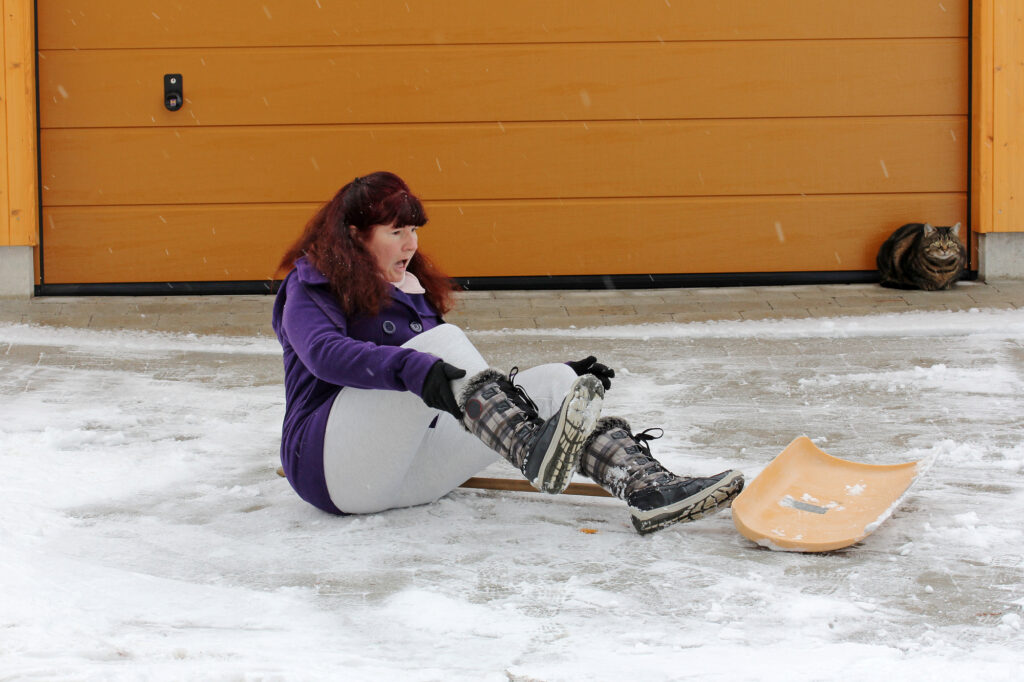
With winter conditions quickly approaching, you may be remembering the inconveniences of winter. One of the biggest concerns of winter is icy roads, sidewalks, and driveways that can lead to potential injury. Walking on slippery surfaces can be stressful, but there are steps you can take to avoid slipping on ice and keep yourself healthy this winter.
avoid slipping on ice, northern Utah

1. Avoid Icy Surfaces

Preventing slips on icy surfaces requires a mindful approach to your surroundings. While the most apparent strategy is to minimize exposure to icy areas, it is crucial to recognize that ice may be deceptively smooth and thin, making it less noticeable at first glance. To enhance traction and reduce the risk of slipping, opt for walking on rougher surfaces whenever possible.

For example, if faced with an icy sidewalk, consider walking on the adjacent grass, which typically offers a textured and more stable footing compared to the smooth surface of the sidewalk. This precautionary measure can significantly reduce the likelihood of accidents during icy conditions.

2. Wear the Right Footwear

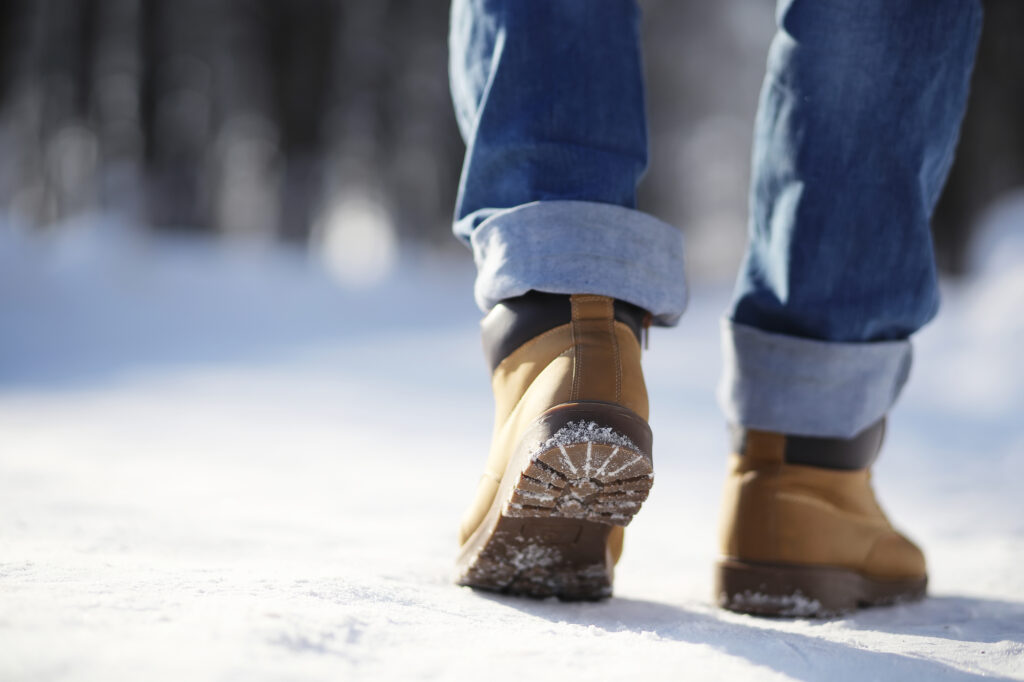
Footwear plays an important role in preventing falls on ice. Footwear with more traction is better, as it grips the ice and prevents shoes from slipping. If you live in a place where it frequently snows or has ice and you walk outside, you may benefit from using spikes on your shoes. Spikes can be used in situations as simple as walking down a street. Spikes work by fitting over your regular shoes and piercing into the ground as you put weight on each foot, which improves traction and grip. Spikes offer more grip than a standard shoe, so you may consider these if you need more.

If you choose to forego the spikes, wearing boots or shoes with good grip should usually do the trick. Avoid wearing footwear with flat bottoms because these will slide around much easier than footwear with bumps and grooves.
avoid slipping on ice, northern Utah

3. Modify Your Walk to Avoid Slipping on Ice

It is natural to modify your walk when you are uncertain about the surface you are walking on, and ice should be no different. You can modify your walk by taking smaller strides to walk more flat footed. Walking flat footed means your center of gravity is over your feet rather than starting a stride by landing on your heel and pushing off your toes. Walking flat footed will help you avoid slipping on ice. Along with this is simply walking at a slower pace. Fast strides make it harder to get a good grip, so walking slower will help distribute your weight evenly and avoid slipping.

4. Keep Hands Free

A big part of what keeps you balanced when you walk is your arms. As you walk or run, your arms naturally sway, which is the body’s natural balancing technique. If you are walking on ice, it is important to keep your hands free to help you balance on the slippery surface. Try to avoid carrying groceries or other items on ice, along with keeping your hands out of your pockets. This will promote better balance and help you catch yourself if you have a slip.

5. Fall Safely

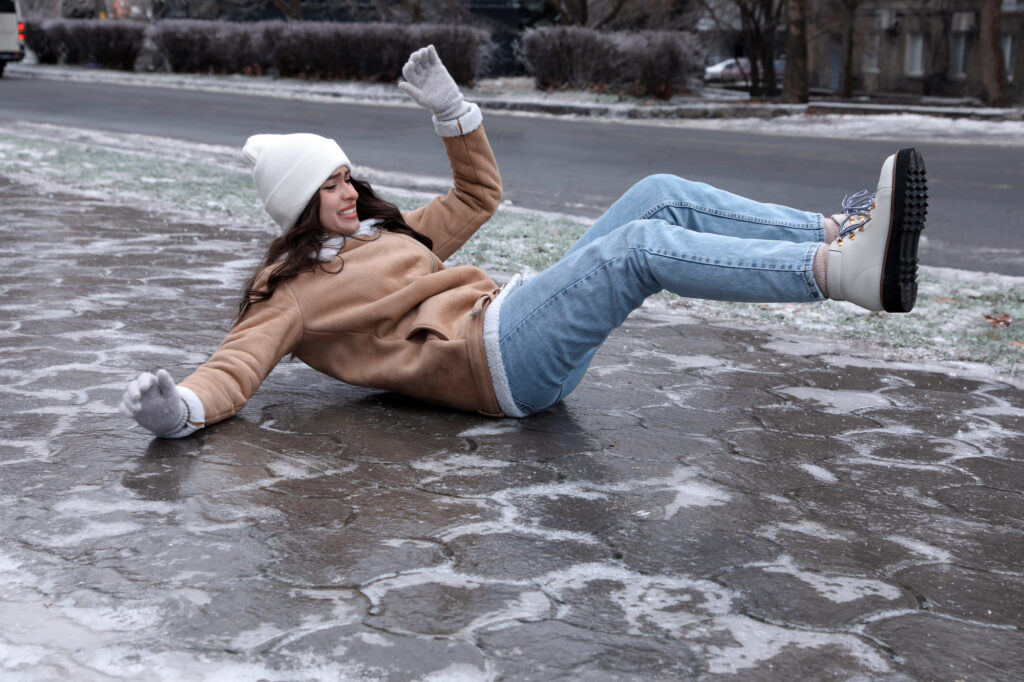
One of the most important ways to avoid injury if you slip on ice is safely falling. It may surprise you to know that there are bad ways to fall, but there are ways of falling that make you more susceptible to getting injured than other ways. Protecting your head is the most important measure to take if you fall to avoid a serious head injury. It can be uncomfortable to land and get a bruise, but hitting your head can lead to neck problems, concussions, or other more serious injuries.

It also helps to avoid landing on your hands to brace yourself, as that can cause a painful break or sprain in the wrist. You can avoid this by trying to land on a fleshier part of your body which can reduce the amount of impact. By trying to land on your bottom, you protect the more vulnerable parts of your body.
avoid slipping on ice, northern Utah

If You Get Injured

Unfortunately, there are scenarios where you may get hurt no matter what preventative measures you take to avoid slipping on ice. If this happens to you, Wasatch Peak Physical Therapy is here to help you recover and get back to your regular activities. We offer physical therapy for all types of injuries including back, hand and wrist, neck, and head injuries. Contact us to schedule an appointment and get started on your journey to feeling better and healing.


Filed Under: Physical Therapy

Back-to-school season involves so much preparation and work, among the most important of which is ensuring that you are helping your child avoid common back-to-school injuries. Or, if you are in university or a post-graduate program – helping yourself avoid said common injuries. Here is what you need to know about common back-to-school injuries and what can be done in order to prevent them. Let’s get into it.

#1. Be Mindful Of Backpacks

back-to-school injuries

If you’ve been worried about how that heavy backpack may be impacting your child’s back, you’ve a right to be. If backpacks are too heavy or carried improperly, this can result in poor posture, back pain, shoulder pain, neck pain, and more. 

Your back compensates for weight over time in a variety of ways, such as: 

  • Causing the person to lean forward, thus affecting their balance
  • Leading to rounded shoulders
  • Distorting the natural curvature of the back, leading to muscle strain and irritation to spinal joints and the rib cage
  • Carrying a backpack on one shoulder causes muscle strain due to uneven weight, and can result in muscle spasms, back pain, and further back problems later on in life

Fortunately, you can save your child’s back (or your own) by selecting the correct backpack and using it correctly. The American Academy of Pediatrics states that backpacks should not exceed 20% of your child’s weight. Heavier items should be packed towards the back with lighter items in the front. If your child is leaning forward while wearing their backpack, this likely means that it is too heavy for them. 

You must also emphasize the importance of using backpacks correctly. While it may be easy to sling a backpack over one’s shoulder, it’s far better for your body to use both straps, with both straps being secure and tight. This allows for even weight distribution and decreased likelihood of back, shoulder, or neck problems. 

#2. Create Ergonomic Homework Spaces

Is your child hunched over their homework on the floor or slouching with their laptop on the couch? Doing homework in positions and spaces that don’t encourage a neutral spine can result in back pain, neck pain, hand and wrist pain, and elbow conditions. Encourage your child to use an ergonomic homework space. Making it as comfortable as possible is more of an incentive to do homework there, rather than sprawled out on their bed.

What this looks like includes the following:

  • Computer on a table or desk with the monitor just below eye levels
  • Forearms parallel to the floor
  • Straight wrists
  • Using a chair with lower back support
  • Sitting up straight, with your feet either on the floor or on a footrest
back-to-school injuries

#3. Stay Active

During the school year, kids spend a lot of time sitting down, either in classes or doing homework. However, it’s important to stay active. Physical activity reduces risk of injury when performed properly by helping you stay healthy, strengthening muscles and bones. It’s also good for your brain, as it can result in increased attention spans, concentration, memory, and improved mood. 

Even just a quick little walk around the block can help schoolwork become easier by getting your blood pumping. Just like adults, children need to take care of their bodies in order to stave off injury, and staying active is an excellent way to help with this. 

If your child is sedentary, they are at increased risk for all sorts of health problems, from depression and anxiety to being more likely to injure themselves to developing conditions, such as type 2 diabetes. Many kids are involved in sports, but some hate them. Helping your child find a physical activity they enjoy can reduce their risk of common back-to-school injuries and help them live a healthier, happier, life.

#4. Get Enough Sleep

This is easier said than done, especially for those involved in difficult coursework or lots of extracurricular activities or both. However, sleep is the human body’s superpower. It is essential to get enough sleep in order to be able to concentrate in classes and learn as best you can. Insufficient sleep can impact your overall health, making you more prone to injury and illness.

Some of the ways you can help your child get enough sleep include:

  • Encouraging a consistent bedtime routine
  • Setting a consistent bedtime
  • Keeping the house as quiet and calm as possible leading up to bedtime
  • Having your children turn in/turn off their electronics at least an hour before bedtime
  • Understanding how much sleep your child needs

While homework demands may infringe upon your child’s sleep hours, knowing how many hours of sleep your child should be getting can help you help them get enough sleep. This can be challenging with teenagers, since teenagers typically are very busy, but also need a lot of sleep. Doing what you can to help your child get enough sleep can reduce their risk of back-to-school injuries and help them have better days.

When Back-To-School Injuries Occur, Contact A Physical Therapist

wasatch peak physical therapy-farmington

Even if you’re the most cautious, prepared person in the world, you can’t always control whether or not you get injured. Physical therapists most often see back pain from backpacks, cervical/spinal/neck pain from poor posture, and injuries related to sports. Treatment can help your child recover so that they can resume their life. 

Wasatch Peak Physical Therapy is here to help you or your child recover from injuries. Contact us today or stop by one of our multiple locations in Northern Utah in order to learn more about our physical therapy services. 

Filed Under: Physical Therapy

Utah’s known for its gorgeous outdoors. However, pain can keep you from being able to hit the trails. Hiking may seem straightforward enough: you’re just walking, but in the mountains or somewhere else in nature. Not properly preparing for hiking is an easy way to end up with aches, pains, and injury. In order to get the most out of your time in the great outdoors, take these physical therapy tips into account. 

hiking physical therapy tips

#1. Think Of Hiking Like Any Other Sport

You wouldn’t try to run a marathon without proper training or jump into a soccer match without any idea of how the game works. The same goes for hiking. You need to ensure that you’re prepared for the hike, that you know what to do throughout the hike, and that you pick a hike that’s suitable for your level.

Hikes are rated by difficulty. When looking for trails to do, make sure that you look at the difficulty rating and don’t overestimate your abilities. While it’s true that you can always turn around whenever you want, it’s so much more satisfying to be able to see the trail through to completion.

  • Easiest. This is a trail that’s suitable for pretty much anyone. Some trails rated easiest are even paved. These trails are typically shorter than 3 miles and mostly level.
  • Moderate. These trails are about 3-5 miles with some steeper sections, but are still typically good for beginners.
  • Moderately Strenuous. These trails are typically about 5-8 miles long, with steady, steep inclines. You need to be conditioned to hiking in order to take these on.
  • Strenuous. These hikes are about 7-10 miles long with elevation gain. Even experienced hikers can find strenuous trails challenging.
  • Very Strenuous. These trails are typically 8 miles or longer. Only very well-conditioned, very experienced hikers should take these on. These hikes are not only long and steep, but can include challenging terrain, like scrambling over rocks.

So, if you’ve never hiked before, you could probably do an Easy trail with no problems. However, attempting a more difficult hike could result in injury.

#2. Warm-Up Beforehand

Now that you have a better understanding of how hiking trails are rated, you can select one that works for your fitness and experience level. Before embarking on your adventure, make sure that you warm up beforehand. If you’re just walking around an easy trail, you don’t need to worry about this as much, but it’s still a good idea to stretch and loosen up your muscles anyway.

If you’re going to be going on a hike that involves inclines or tricky terrain, you definitely want to ensure that you warm up beforehand. Some trails start pretty level before they get crazy but others involve a steep incline from the get-go. In order to give yourself a better chance of reducing your risk of injury, make sure that you warm up first.

Men's Health wasatch peak physical therapy-syracuse

#3. Be Aware Of Common Hiking Injuries

Knowing what injuries are most common among hikers can help you know what you should be looking out for and what preventative measures you need to take in order to avoid getting injured yourself. Some of the most common hiking injuries are as follows:

  • Knee pain
  • Strained ankles
  • Foot pain
  • Blisters
  • Shin splints
  • Lower back pain
  • Hip pain
  • Overuse injuries

Many hiking injuries occur not when people are going up the trail, but when they’re coming down from them. This is because people are already tired and they’re fighting against gravity. It’s a lot easier to end up twisting an ankle or straining your knee when you’re stumbling down a trail after miles of elevation gain and you’re desperate to get back to civilization. 

However, you must be just as careful when going down a trail, if not even moreso. An injury could leave you stranded or cause you to have to fight through the pain to get back, making it even worse. You deserve to hike pain-free. 

Wearing properly fitted hiking shoes, warming up before you go, staying hydrated throughout the hike, and stretching when you get back are all ways to help prevent injury. You’ll also want to take plenty of breaks and go at a pace that feels good for you and that you can maintain for a long period of time. And of course: watch where you step! This is not only to prevent injury from twisted ankles or falls, but also to avoid accidentally stepping on a creature.

referral for physical therapy Layton UT

#4. See A Physical Therapist As Needed

If you have a past or current injury, a physical therapist can help you regain your strength and mobility. They do this with custom programs personalized to your specific needs and goals.

Wasatch Peak Physical Therapy is here to help you recover from any current injuries you may be suffering from, as well as give you a better shot at preventing future injuries. Contact us today to learn more about our physical therapy services. 

Filed Under: Physical Therapy

  • « Previous Page
  • 1
  • …
  • 3
  • 4
  • 5
  • 6
  • 7
  • …
  • 18
  • Next Page »

Layton

1492 West Antelope Drive, Suite #100
Layton, UT 84041
Phone: 801.876.1676
Fax: 801.825.8142

Monday6:00 AM - 6:30 PM
Tuesday6:00 AM - 6:30 PM
Wednesday6:30 AM - 6:30 PM
Thursday6:00 AM - 6:30 PM
Friday6:00 AM - 6:30 PM

Follow Us

Syracuse

2019 W 1900 S, Suite #200
Syracuse, UT 84075
Phone: 801.528.3028
Fax: 801.773.4355

Monday7:00 AM - 6:30 PM
Tuesday7:00 AM - 6:30 PM
Wednesday7:00 AM - 6:30 PM
Thursday7:00 AM - 6:30 PM
Friday9:30 AM - 6:30 PM

Farmington

1050 W Shepard Lane, Suite #3
Farmington, UT 84025
Phone: 801.290.8443
Fax: 801.451.9617

Monday7:00 AM - 6:00 PM
Tuesday7:00 AM - 6:00 PM
Wednesday7:00 AM - 6:00 PM
Thursday7:00 AM - 6:00 PM
FridayClosed

Roy

3443 W 5600 S, Suite #130
Roy, UT 84067
Phone: 801.829.9249
Fax: 801.773.8088

Monday7:00 AM - 6:00 PM
Tuesday7:00 AM - 6:00 PM
Wednesday7:00 AM - 6:00 PM
Thursday7:00 AM - 6:00 PM
Friday7:00 AM - 6:00 PM

2025Wasatch Peak Physical Therapy | All Rights Reserved | Privacy Policy | Terms | Accessibility Statement | Anti-Discrimination Disclaimer | XML Sitemap | Sitemap | Site by PDM