
Roy Utah Wasatch Peak Physical Therapy

Wasatch Peak Physical Therapy

LAYTON

801.876.1676

SYRACUSE

801.528.3028

FARMINGTON

801.290.8443

ROY

801.829.9249
  • Physical Therapy
        • Aquatic Therapy
        • Auto Accidents
        • Cardiac & Pulmonary Rehabilitation
        • Davis Hospital Inpatient Therapy
        • Dry Needling
        • Hand Therapy
        • Home Health Care
        • Lymphedema
        • Men’s Health
        • Neurological Disorders
        • Orthopedic
        • Pain Management
        • Pelvic Floor Physical Therapy
        • Pre and Post-Operative Care
        • Sports Medicine
        • Women’s Health
        • Workers Compensation
  • Occupational Therapy
    • Lymphedema
  • Speech Therapy
  • Injuries We Treat
        • Arthritis
        • Back
        • Bulging Disc
        • Chronic Pain
        • Elbow
        • Fibromyalgia
        • Foot & Ankle
        • Hand and Wrist
        • Head Injury Rehabilitation
        • Herniated Disc Treatment
        • Hip
        • Knee
        • Lymphedema
        • Neck
        • Neurological Disorders
        • Pinched Nerve in Neck (Cervical Radiculopathy)
        • Rheumatoid Arthritis
        • Sciatica
        • SI Joint Pain
        • Shoulder
        • Stroke Rehabilitation
        • Whiplash
        • Workers Compensation
  • About Us
    • Our Team
    • Insurances We Cover
    • Locations
      • Layton
      • Syracuse
      • Farmington
      • Roy
    • Contact Us
    • Careers
    • Reviews
    • Blog
  • Patient Tools
    • Forms
    • FAQ’s
    • Cardiac Rehab Video Series
  • Ver En Espanol

Can Shoulder Pain Lead To Pain In Other Parts Of Your Body?

Home | Physical Therapy | Page 7

If you experience shoulder pain, you know how it can inhibit your ability to go about your daily routine. Shoulder pain can result from injury, poor posture, wear and tear, and more. If you have pain in your shoulder, it’s important to seek treatment to help you regain mobility and find relief from your pain. 

You may wonder if shoulder pain can cause pain in other parts of your body, as well. People often Google things like ‘shoulder pain and ear’, ‘shoulder pain nausea’, and the like in order to determine whether or not their persistent shoulder pain could be a culprit in other symptoms they are experiencing. Depending on the cause of your pain, you could experience pain in other areas of your body. 

If you are searching for answers for these types of questions, you’ll want to schedule an appointment with your doctor or physical therapist. They will be able to ask you specific questions about your unique circumstances and conduct examinations and any necessary tests in order to diagnose you. Once they have diagnosed you, then they will be able to provide you with a personalized treatment plan. 

That said, here are some instances where you may have pain in your shoulder and pain in other parts of your body.

About Referred Shoulder Pain

shoulder pain Relief Farmington Utah

Typically, if you have a shoulder problem, moving the shoulder makes it better or worse. This is not the case with referred shoulder pain. Referred pain is when the source of the pain is elsewhere, like your heart or belly. Referred pain is constant, but may come and go. 

This can be caused by heart problems, neck problems, stomach surgery, lung problems, stomach problems, and more. You usually notice other symptoms with this.

Doctors need to determine the source of pain to determine the best treatment method.

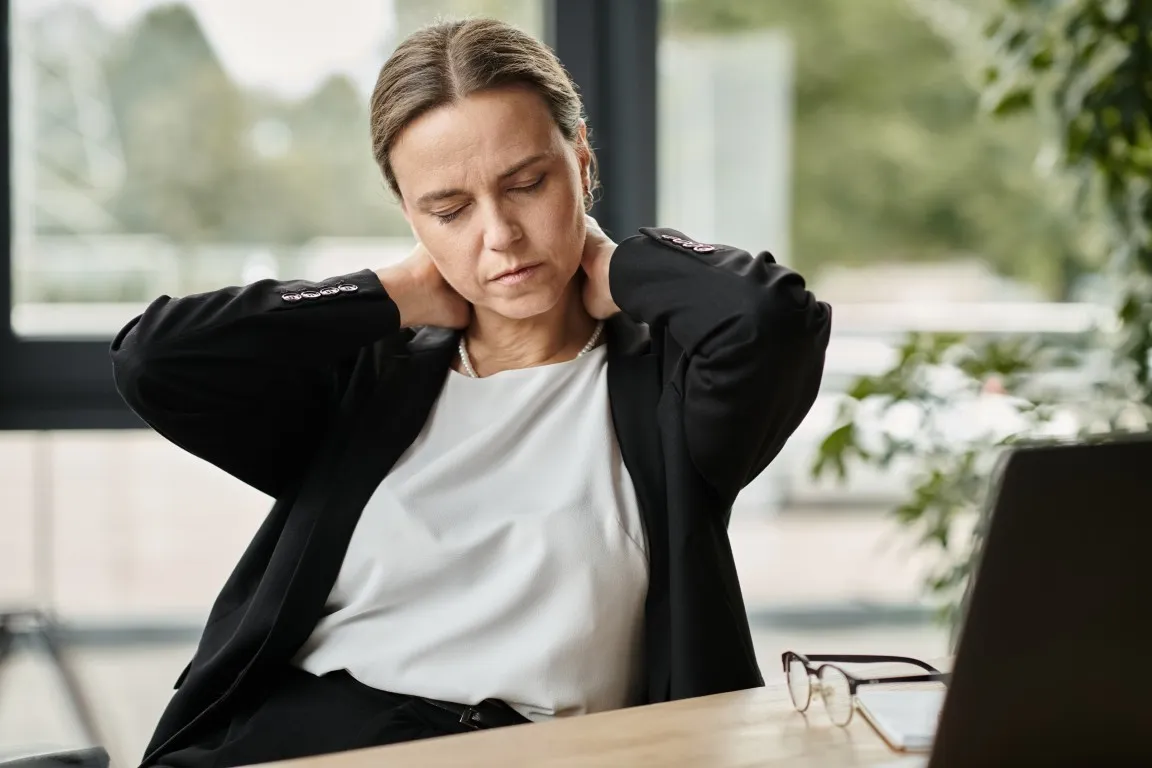
Neck And Shoulder Pain

The neck and shoulders are so connected that pain in one often leads to pain in the other. This is because some nerves in the neck travel to the shoulders and upper back. The neck and shoulders also share some of the same muscles, tendons, and ligaments. As such, if you strain or injure your neck, you could have pain in your shoulder too.

Pain that starts in the neck often feels like an electric shock and gets worse when you move your neck. It is typically relieved by support close to the side/base of the neck. Pain that starts in the shoulder is more of an ache. It tends to be worse at night, when lifting objects, when arms are overhead or reached behind, and can radiate into the upper arm. It typically feels better after rest.

Some cases where you can have pain in your shoulder and pain in your neck include:

  • Pinched nerve/cervical radiculopathy 
  • Poor posture
  • Degenerative diseases, like arthritis and spinal stenosis
  • Unsupportive mattress
  • Chronic inflammation

Different causes affect different structures and need different treatments. 

Pain In Your Ears And Shoulders

If you have both shoulder pain and ear pain, you likely have neck pain too. Some of the factors that can cause you to have both ear pain and neck pain include:

  • Muscle spasms
  • Poor posture
  • Forward head position
  • Neck pain can also lead to ear pain

TMJ is another potential cause of both shoulder pain and ear pain. This is because chronic stiffness/misalignment of the shoulders can directly affect jaw joints. Abnormal jaw function can cause tense/imbalanced muscles, which can eventually affect the neck, shoulders, and even arms in extreme cases.

Armpit And Shoulder Pain

If you are experiencing both shoulder pain and armpit pain, muscle strains are a likely cause.

Nausea With Shoulder Pain

If you have severe pain in your shoulder, you could also have nausea. Any severe pain can cause nausea. This is because extreme pain can stimulate the nervous system. When the nervous system is in a hyperactive state, it can lead to nausea. This is because vomiting is how the body rids itself of harmful substances. So, if the nervous system is overstimulated, the body can trigger this response. 

Nausea and shoulder pain together can also happen because of a heart attack, which is a medical emergency. 

shoulder pain

Elbow And Shoulder Pain

If you are experiencing both shoulder and elbow pain, there are many potential reasons for this. Some causes include:

  • Rotator cuff tendonitis 
  • Bicipital tendinitis
  • Subacromial bursitis
  • Arthritis
  • Cubital tunnel syndrome
  • Frozen elbow
  • Dislocation
  • Joint overload

Chest Pain With Pain In Your Shoulder

If you are experiencing both shoulder pain and chest pain, this could be because of a heart attack, especially if the chest pain is severe. This is a medical emergency which you will need to seek medical attention for immediately. 

Symptoms for heart attacks can vary for men and women. For men, the pain spreads to the left shoulder and either down the left arm or up to the chin. For women, the pain can be more subtle. It can go to either arm, the shoulder blades, up to the chin, down to the abdomen, etc.

Heart attack symptoms can also include: cold sweats, racing heart, jaw stiffness, difficulty breathing, and crushing chest pain. 

On a less serious note, both shoulder pain and chest pain together can occur because of gallstones. You may experience pain between your shoulder blades or in your right shoulder. This can occur due to inflammation of the gallbladder.

Headaches And Shoulder Pain

If you have pain in your shoulder, you could end up suffering from tension headaches. This can occur due to the persistent tension in your muscles.

Ectopic Pregnancy And Shoulder Pain

Shoulder pain doesn’t lead to an ectopic pregnancy, but if you’re having an ectopic pregnancy, you may experience shoulder tip pain. This can occur on either or both of your shoulders. It’s a strange or unusual pain where your shoulder ends and your arm begins. This can happen due to internal bleeding in the abdomen. 

orthopedic rehab Pain Management layton-wasatch peak physical therapy

Are You Experiencing Persistent Pain?

Whether you are experiencing pain on its own or along with pain in other parts of the body, it’s a good idea to see a doctor or physical therapist for a professional evaluation. Wasatch Peak Physical Therapy provides treatment options for shoulder pain, among many other types of pains and injuries.

Schedule a consultation at one of our Northern Utah locations for shoulder pain treatment. Contact us to learn more about how we can help.  

Filed Under: Physical Therapy

Shin splints are pain felt anywhere along the shinbone, most commonly seen in runners. They typically result from overuse but can be treated fairly easily. If your lower legs hurt on impact when you walk or run, you may have shin splints. However, shin pain does not automatically mean that you have shin splints. If the pain is severe or the shin splints are persistent, you could need treatment from a doctor and/or physical therapist.

Here is what you need to know about common symptoms and causes of shin splints, as well as what you can do if you have them.

shin splints

Symptoms Of Shin Splints

Shin splints be either intense or more mild. You may have anterior shin splints, when the pain is more towards the front of your leg, or posterior shin splints, when the pain is more towards the back of your leg.

Common symptoms include:

  • Painful or tender to the touch
  • Sharp pain or dull ache on the inside of the tibia during physical activities
  • Slight swelling around the inside of the lower leg in more severe cases

If you have continuous pain even when you are resting, be sure to seek out treatment. Left untreated, shin splints can lead to stress fractures. Stress fractures are tiny cracks in the bone, often caused by overload. The pain continues even when you are resting. Left untreated, they can cause chronic problems. 

Bruising on your shins is uncommon. Such bruising can more commonly result from a direct blow to your shins, as well as from compartment syndrome. 

Common Causes

Shin splints are caused by inflammation of your muscles, tendons, and connective tissue as a result of overuse. This can happen when you jump into a new exercise, like running, without pacing yourself properly. If you change something in your routine without giving your body enough time to adapt, this can cause undue stress. They can also occur if you don’t give your body enough time to rest and recover between training sessions. 

You can also get them from wearing the wrong shoes. You need shoes that give you support for the specific type of exercise you’re doing. It’s important to replace your shoes as needed, as worn-out shoes won’t give you the support they once could.

Your foot’s shape and the type of stride you have can increase your risk of shin splints. People with flat feet or high arches are at higher risk, as are those who overstride. 

While it’s rare to get shin splints from walking, it can happen, if you either are new to it, have changed your routine, or do not have the proper footwear.  

shin splints

Can Shin Splints Get Worse?

Shin splints can absolutely get worse. They can worsen into stress fractures. If rest, ice, and over-the-counter painkillers don’t resolve the issue, seek medical treatment. You also want to seek medical advice when using painkillers, as they could have adverse effects if used improperly. 

Can Shin Splints Heal On Their Own?

Your shin splints may be able to heal on their own with enough rest. You can also use at-home treatment methods such as ice packs and wearing compression socks to reduce the pain. 

While healing from shin splints, you could still do activities that don’t put pressure on your shins, such as swimming. You’ll know your shin splints are healed when you have no pain when pushing on your shin or doing various exercises like running or jumping. Your injured leg should feel just as strong and flexible as your other leg. 

It is important to remember that how long it takes to heal from shin splints depends on what caused them, as well as what your personal healing rate is like. It may take a few weeks to a few months to recover. 

If the pain returns, stop exercising right away to prevent further injury. While shin splints typically aren’t serious, they can become serious and lead to more serious injuries if ignored. You may need help in your recovery from a physical therapist, who will be able to provide you with a personalized treatment plan. 

How To Prevent Shin Splints

astym

You can save yourself pain while maintaining an active lifestyle with the following tips.

  • Use the appropriate shoes. You can get fitted for running or walking shoes that suit your needs.
  • Replace worn-out shoes. Maybe they once worked wonders, but all good things come to an end sooner or later.
  • Try arch supports or insoles. These can decrease the shock on your shins.
  • Give yourself time to adjust. If you’ve never been one for running, don’t try to run 3 miles every day. Build up to it gradually, and ask for guidance as needed. Your body will thank you.
  • Give yourself time to rest. Rest is essential for bodies to recover and come back stronger than ever. 
  • Cross-train. This improves the health and fitness of your body as a whole, while also preventing overuse of your shins. Strength training is excellent for stabilization.
  • Warm-up. Don’t forget to warm up before any workout to prevent injury!
  • Stretch. Stretching improves your body’s mobility, decreasing your risk of injury. 
  • Seek treatment as needed. It’s always a good idea to check with your doctor and/or physical therapist if you are concerned about shin splints. The sooner you seek treatment, the less likely the problem is to escalate.

What To Do If Your Shin Splints Won’t Go Away

If your shin splints won’t go away, it’s possible that you aren’t giving yourself enough of a break. You could need more guidance on stretches and exercises that you can do to strengthen and support your leg. It could also be because you have a more serious injury, like a stress fracture.

Seeking out professional treatment is the best course of action if your shin splints won’t go away or if the pain becomes severe. Your doctor will examine your lower leg and order any necessary tests in order to diagnose you. Stress fractures, tendinitis, and compartment syndrome are several other conditions that can cause shin pain. Once they’ve diagnosed you, they will be able to come up with recommendations for your treatment.

The physical therapists here at Wasatch Peak Physical Therapy are here to help you recover from your shin pain. Contact us today for more information about our services and how we can help you on your path to recovery. 

Filed Under: Physical Therapy, Orthopedic Physical Therapy

Do you find yourself shaking out your hands to try to alleviate tingling or numbness? Do your hands seem weak and you end up accidentally dropping objects because you can’t grasp them well?

You may be suffering from carpal tunnel syndrome. It’s important to seek out treatment sooner than later with carpal tunnel, to both relieve your symptoms and prevent them from getting worse. Physical therapy can help with carpal tunnel syndrome in its mild to moderate stages. If surgery is needed, physical therapy can help you during recovery.

Here is what you need to know about carpal tunnel syndrome and how physical therapy can help you.

carpal tunnel syndrome

What Is Carpal Tunnel Syndrome?

Your carpal tunnel is a passageway surrounded by bones and ligaments on the inner side of your wrist. Through your carpal tunnel runs the median nerve, which controls the muscles around the base of your thumb and allows for feeling in your thumb and first three fingers. 

When your carpal tunnel becomes narrowed or the tissue around it swells, this places pressure on your median nerve. The pressure on your nerve can lead to the tingling, numbness, weakness, and pain carpal tunnel syndrome is known for.

People often confuse carpal tunnel syndrome with arthritis. However, carpal tunnel syndrome doesn’t affect your pinky finger, while arthritis can affect all fingers. 

What Causes Carpal Tunnel Syndrome?

Some people are predisposed to carpal tunnel syndrome while others are placed at risk because of their job or their hobbies. Occupations that require repetitive hand and wrist motions, such as in assembly-lines, sewing, using hand-held mobile devices, and more increase your risk of carpal tunnel syndrome. 

However, you can develop carpal tunnel syndrome due to other causes, as well.

Some of the common causes of carpal tunnel syndrome include:

  • Genetics. Some people simply have smaller carpal tunnels than others.
  • Repetitive hand movements. This can lead to swelling and pressure on the nerve.
  • Hand and wrist position. If you partake in activities that use extreme flexing of your hands and wrists, this can increase the pressure on your median nerve.
  • Health conditions. If you have diabetes, arthritis, thyroid issues, or other health conditions, these are also associated with carpal tunnel syndrome.
  • Pregnancy. Pregnancy in general causes your body to swell, which can include swelling around your median nerve.

Basically, anything that can cause pressure on your median nerve can lead to carpal tunnel syndrome. Some people are at higher risk than others, such as if you are prone to fluid retention, are on certain medications, are a woman, as women generally have smaller carpal tunnels, and more.

When Should You Seek Out Treatment For Carpal Tunnel Syndrome?

The sooner the better! Carpal tunnel syndrome is tricky because it comes on very gradually, but then is highly unlikely to resolve itself without treatment. In most cases, there’s no one specific injury that causes it, but a combination of factors. You may notice that your symptoms come and go.

However, as the condition worsens, you may notice your symptoms more frequently. You may end up being woken up during the night because of your symptoms. You may find that holding things aggravate your symptoms and that shaking your hands alleviates them.

If you suspect that you may be suffering from carpal tunnel syndrome, you will want to see a healthcare provider. They will be able to diagnose the issue and recommend treatment.

What Are Your Treatment Options For Carpal Tunnel Syndrome?

wrist injuries wasatch peak physical therapy-orthopedic injury rehab-layton

This depends on how severe your case is. Mild to moderate symptoms can benefit from conservative treatment while severe symptoms may necessitate surgery. Your healthcare provider will be able to determine how severe your case is and recommend appropriate treatment methods for your specific circumstances. They can also advise you on how to prevent carpal tunnel in the future.

Physical therapy for carpal tunnel is an excellent conservative treatment option. Your physical therapist will teach you about the condition and help you prevent it from worsening. They will guide you through stretching and strengthening exercises. They may also recommend cold or heat treatments. It may be advised that you wear a splint in order to reduce your discomfort.

Physical therapy for carpal tunnel can also help with assessing your workspace to ensure it is ergonomic. The goal of physical therapy is to improve your functionality, relieve your pain, and reduce your symptoms without surgery.

However, if you do need surgery, physical therapy can help here too. Your physical therapist can help to prevent scar tissue, promote healing with specific exercises, and educate you on what you can do to avoid compressing your carpal tunnel throughout your life.

Do You Think You Have Carpal Tunnel Syndrome?

Wasatch Peak Physical Therapy can help! We offer all sorts of physical therapy, including hand and wrist therapy. Contact us today and let us help you on the path to recovery.

Filed Under: Physical Therapy

  • « Previous Page
  • 1
  • …
  • 5
  • 6
  • 7
  • 8
  • 9
  • …
  • 17
  • Next Page »

Layton

1492 West Antelope Drive, Suite #100
Layton, UT 84041
Phone: 801.876.1676
Fax: 801.825.8142

Monday6:00 AM - 6:30 PM
Tuesday6:00 AM - 6:30 PM
Wednesday6:30 AM - 6:30 PM
Thursday6:00 AM - 6:30 PM
Friday6:00 AM - 6:30 PM

Follow Us

Syracuse

2019 W 1900 S, Suite #200
Syracuse, UT 84075
Phone: 801.528.3028
Fax: 801.773.4355

Monday7:00 AM - 6:30 PM
Tuesday7:00 AM - 6:30 PM
Wednesday7:00 AM - 6:30 PM
Thursday7:00 AM - 6:30 PM
Friday9:30 AM - 6:30 PM

Farmington

1050 W Shepard Lane, Suite #3
Farmington, UT 84025
Phone: 801.290.8443
Fax: 801.451.9617

Monday7:00 AM - 6:00 PM
Tuesday7:00 AM - 6:00 PM
Wednesday7:00 AM - 6:00 PM
Thursday7:00 AM - 6:00 PM
FridayClosed

Roy

3443 W 5600 S, Suite #130
Roy, UT 84067
Phone: 801.829.9249
Fax: 801.773.8088

Monday7:00 AM - 6:00 PM
Tuesday7:00 AM - 6:00 PM
Wednesday7:00 AM - 6:00 PM
Thursday7:00 AM - 6:00 PM
Friday7:00 AM - 6:00 PM

2025Wasatch Peak Physical Therapy | All Rights Reserved | Privacy Policy | Terms | XML Sitemap | Sitemap | Site by PDM