
Table of Contents
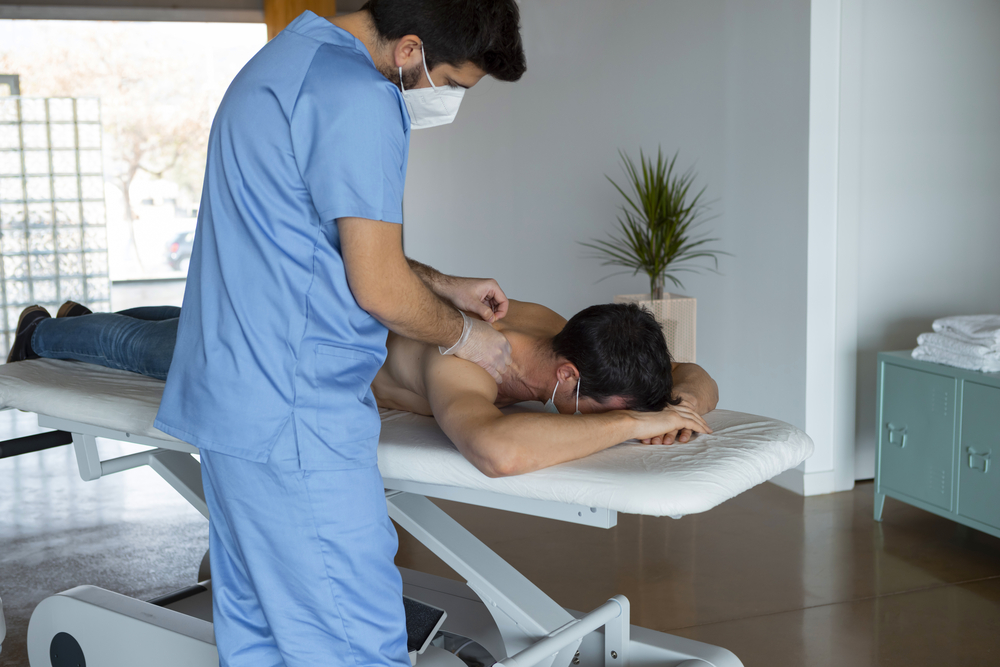
October is National Physical Therapy Month. This was created by the American Physical Therapy Association to recognize physical therapists, physical therapist assistants, and students, and highlight the benefits of this branch of healthcare. Physical therapy is not only for athletes or those recovering from surgery but also for anyone who is dealing with pain, limited mobility, weakness, balance problems, and other movement challenges.
Below, we’ll celebrate physical therapy and discuss how it can help everyone move better, recover from injuries, and maintain their independence.
What Is Physical Therapy?
Physical therapy is a healthcare profession focused on improving movement, strength, flexibility, balance, and physical function. A physical therapist evaluates how a person moves and develops an individualized treatment plan based on their goals and needs.
Depending on the condition, treatment may include:
- Therapeutic exercises
- Stretching and flexibility work
- Strength training
- Balance and coordination exercises
- Manual therapy
- Aquatic therapy
- Mobility training
- Heat or cold therapy
- Posture and body mechanics education
- Injury prevention strategies
- Functional rehabilitation
Physical therapists don’t work to relieve symptoms but identify factors contributing to movement limitations and help patients develop the skills and strength needed for long-term improvement.
Who Can Benefit From Physical Therapy?
People seek physical therapy for many different reasons. An athlete may visit a therapist to get help recovering from an injury, while an older adult may work with a professional to improve their balance, strength, and mobility.
Physical therapy can help people recovering from surgery, accidents, neurological conditions, or chronic musculoskeletal problems.
If you’re dealing with the following conditions, you may benefit from physical therapy:
- Back and neck pain
- Arthritis
- Whiplash
- Bulging or herniated discs
- Sciatica
- Sports injuries
- Sprains and strains
- Joint pain
- Post-surgical rehabilitation
- Balance issues and fall risks
- Muscle weakness
- Limited range of motion
- Neurological conditions
- Work-related injuries
- Difficulty with everyday movements
A physical therapist can determine whether therapy is appropriate and create a treatment plan that fits your condition and long-term goals.
Physical Therapy Can Help You Stay Active
Pain or limited mobility can cause you to avoid activities you enjoy and even everyday movements. Unfortunately, prolonged inactivity can contribute to weakness, stiffness, and reduced range of motion.
Physical therapists can help individuals gradually and safely return to activities that matter to them. Treatment may focus on rebuilding strength, improving mobility, increasing endurance, or teaching safer ways to perform specific movements.
For athletes and active individuals, physical therapy can not only help injury recovery but also injury prevention. Learning proper movement patterns, strengthening vulnerable areas, and addressing flexibility or mobility limitations can help reduce the risk of future problems.
Physical Therapy Is About More Than Pain Relief
Many people seek physical therapy to find relief from their pain, but reducing discomfort is only part of the process.
A comprehensive PT treatment plan may also include restoring function and helping patients become confident in their movements. For example, someone recovering from a knee injury may need to improve strength, balance, coordination, and mobility before returning to sports or normal daily activities.
By addressing more than just pain, physical therapists can help people achieve meaningful goals rather than just short-term relief.
Physical Therapy Can Help People Maintain Independence
Maintaining strength, balance, flexibility, and mobility becomes especially important as people age. Difficulty getting up from a chair, climbing stairs, showering, walking, or maintaining balance can affect everyday independence and even mental wellness.
Physical therapy can address these challenges with exercises and functional activities designed around a person’s daily needs. Improving physical function can make everyday tasks easier and help seniors remain active in their homes and communities. It can also prevent dangerous slips and falls.
Your Goals Matter in Physical Therapy
One of the most important aspects of physical therapy is that treatment can be individualized. A patient’s goals may be very different from someone else’s making this an important component.
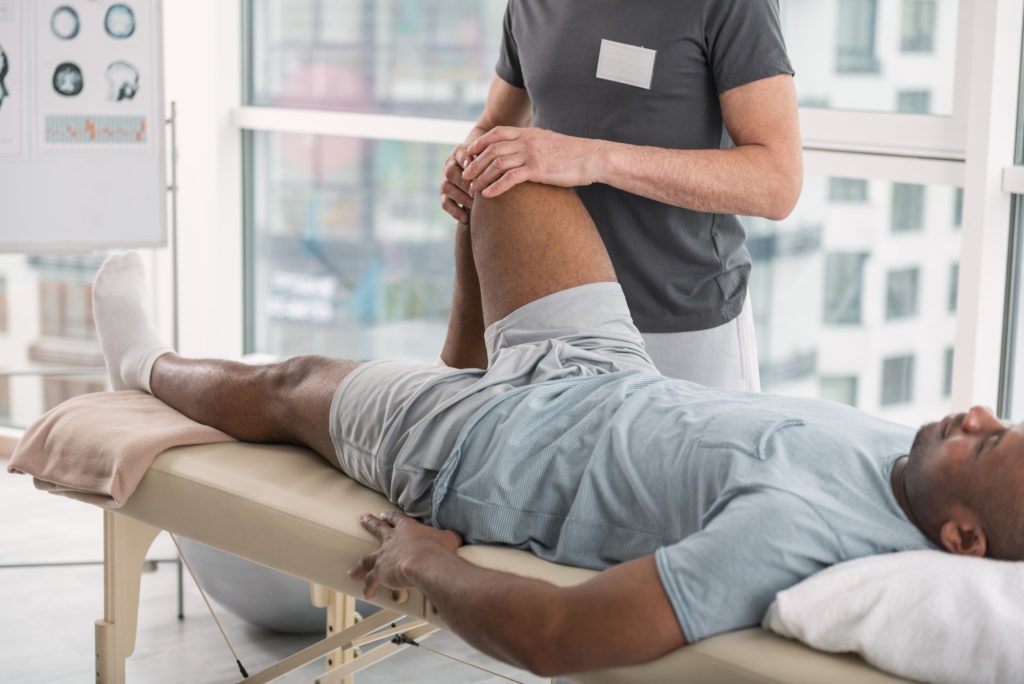
One person may want to return their favorite sport while another may want to be able to pick up their baby from their crib without pain. Someone else may simply want to be able to walk farther, climb stairs more comfortably, or maintain their independence.
Celebrate National Physical Therapy Month
National Physical Therapy Month is an opportunity to recognize the role PT can play in helping people move, recover, and stay active. Whether you want to recover from an injury, better manage a chronic condition, return to sports, or improve mobility, physical therapy can help you live a better quality of life.
If you struggle to do things you enjoy, speak to a healthcare professional or physical therapist about whether PT could be appropriate for you.