
Table of Contents
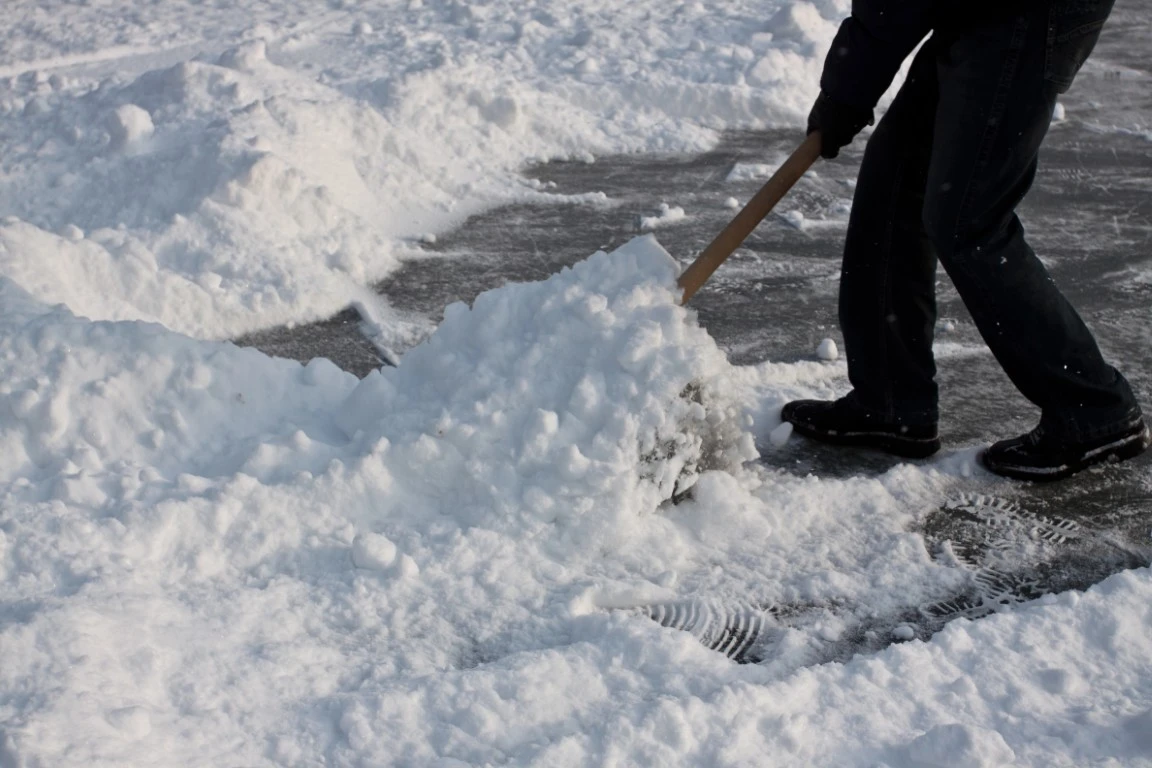
When winter arrives and the snow starts to pile up, shoveling becomes a regular chore for many homeowners. While clearing snow from driveways, sidewalks, and walkways can make your property safer, it can also put significant strain on your back. Repetitive bending, twisting, and lifting heavy loads can lead to muscle strains, back pain, and other injuries.
Fortunately, by using proper snow shoveling techniques and taking a few precautions, you can protect your spine and reduce your risk of injury. Whether you’re clearing a light dusting or several inches of snow, these tips can help you shovel more safely throughout the winter.
Why Snow Shoveling Can Cause Back Pain
Snow shoveling requires repeated physical movements that can put stress on your muscles, joints, and spine. Lifting a shovel full of heavy, wet snow places extra pressure on your lower back, especially when you bend forward or twist your body while throwing snow aside.
Common problems associated with snow shoveling include lower back strain, muscle spasms, and neck and shoulder pain. It can also aggravate existing conditions, including some disc injuries.
1. Warm Up Before Shoveling
Before heading outside, take five to ten minutes to prepare your body for physical activity. A brief warm-up increases circulation and helps your muscles prepare for repetitive movements.
Try marching in place, doing light stretches, or performing comfortable shoulder rolls and arm movements. Gently moving your hips and legs can also help prepare your body for lifting.
Avoid lifting heavy loads immediately after sitting for an extended period. If possible, start clearing snow early and often during a storm so you can remove smaller amounts at a time.
2. Choose the Right Snow Shovel
The right equipment can make a noticeable difference in how much strain you place on your back. When purchasing a shovel, consider:
- Something made of lightweight plastic instead of heavy metal
- A handle length that allows you to work without excessive bending (consider a curved handle for even less strain on your back)
- A smaller shovel blade to reduce the amount of snow you lift with each scoop
You may also want to purchase a snow pusher to move lighter snow without having to lift it and apply an appropriate ice-melting product to reduce the need for strenuous scraping.
3. Use Proper Lifting Techniques
One of the best ways to protect your back is to avoid lifting snow with your back bent forward.
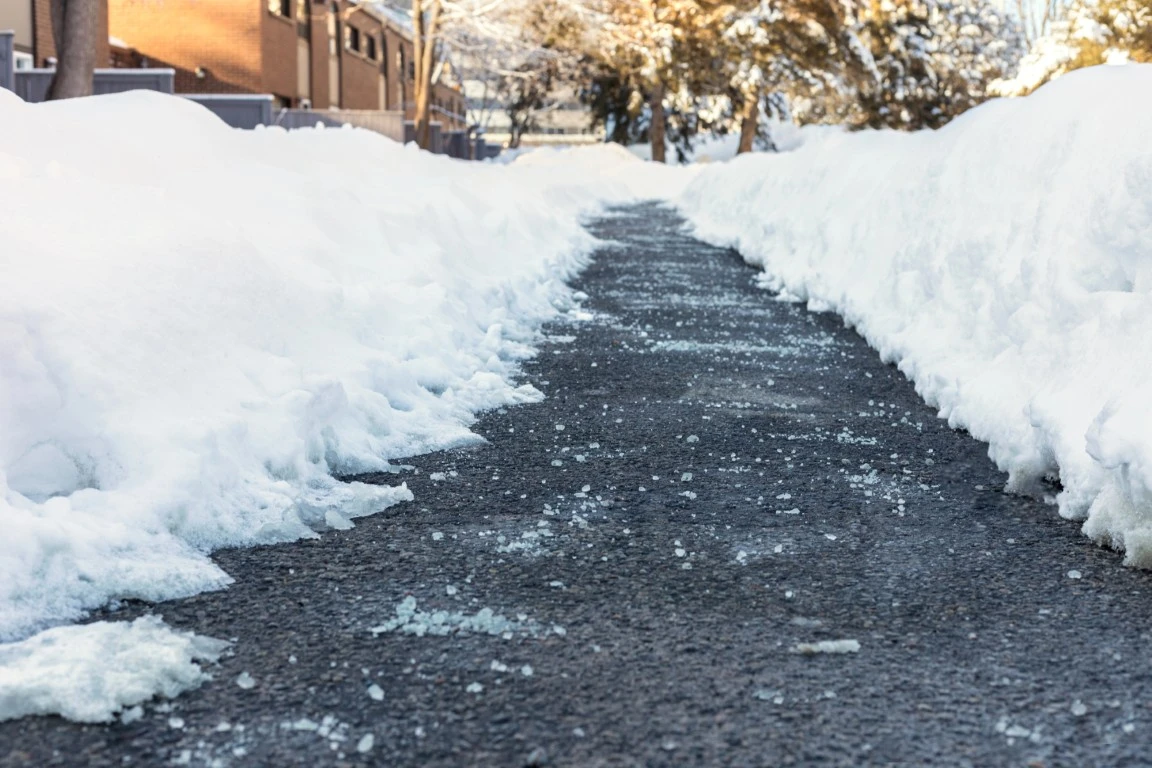
Whenever possible, push snow forward instead of lifting it. But if you need to lift a shovel full of snow:
- Stand with your feet shoulder-width apart
- Bend at your hips and knees
- Keep the shovel close to your body as you lift
- Lift only a small amount of snow at a time
- Straighten your legs smoothly instead of jerking the load upward
Wet, compacted snow can be particularly heavy. Taking smaller scoops may require more repetitions, but it reduces the load on each lift and makes the tasks more manageable.
4. Avoid Twisting Your Spine
Twisting while holding a heavy shovel can increase stress on your back. This is especially true when you lift snow and throw it over your shoulder or to the side.
Whenever possible, slide or push snow to the side instead of tossing it. If you need to lift it, place it down in front of you or to the side with a controlled movement rather than throwing it a long distance.
5. Take Frequent Breaks and Wear Appropriate Clothing
Snow shoveling is a physically demanding chore, so it’s important to take breaks, especially when clearing heavy or deep snow. If the task starts to feel too strenuous, consider using a snow blower or asking someone for help.
Proper clothing can help you stay warm and maintain your balance while shoveling. Wear layers that help you move comfortably without restrictions, slip-resistant boots, and gloves that improve your grip.
How Physical Therapy May Help
If you experience back pain during winter chores, a physical therapist can help reduce discomfort and improve movement. They can create an individualized treatment plan that may include exercises to improve core strength, flexibility, balance, and lifting mechanics.
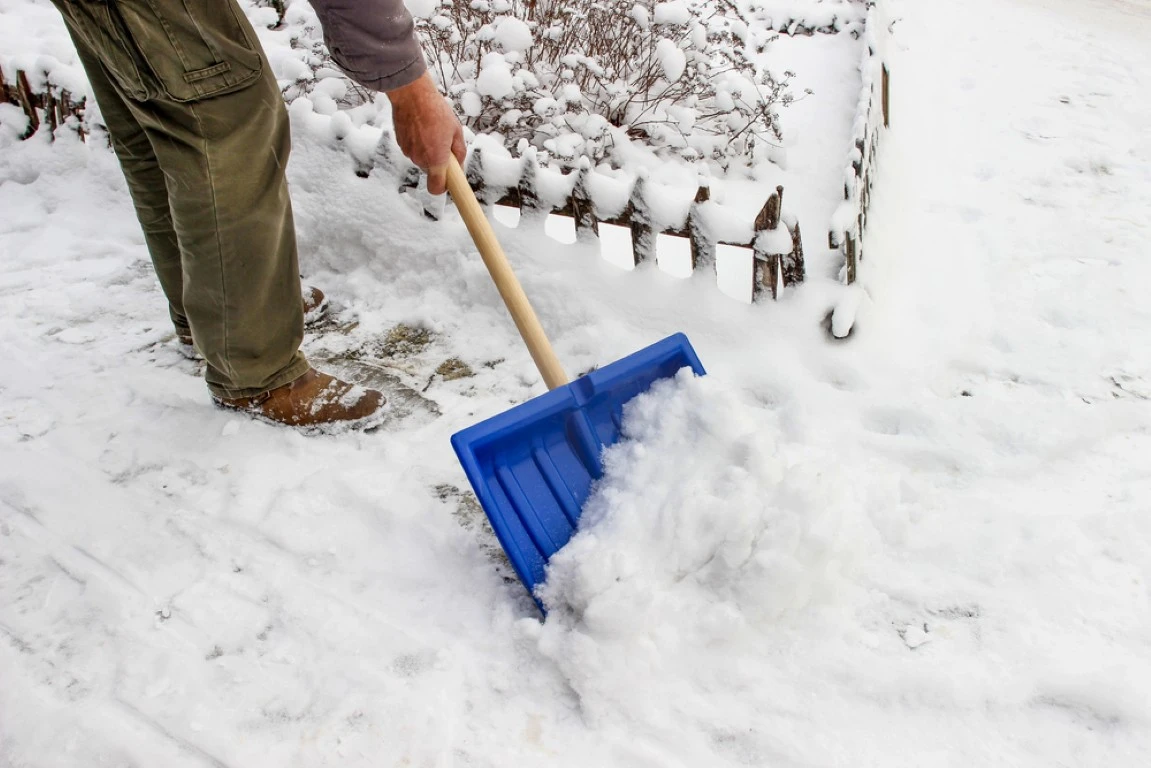
They can also help determine which activities are appropriate for your condition and recommend ways to reduce unnecessary strain.
Protect Your Back This Winter
Snow shoveling may be a normal part of your routine, but it doesn’t have to lead to back injuries. Warming up, using the right equipment, lifting smaller amounts of snow, avoiding twisting, and taking regular breaks can all help reduce strain on your spine.
If back pain is affecting your ability to shovel snow or complete everyday activities, a healthcare professional can help you understand your options for relief and recovery.